For years, you’ve been the advocate. The scheduler. The prompter. The protector. You’ve done whatever it takes to help your child navigate a world that wasn’t built for them. But now, as your autistic young adult stands on the cusp of adulthood, a new, terrifying question emerges: Have I done too much?
It’s a thought that haunts many parents. In our loving effort to support, have we accidentally created dependence? The goal was always independence, but the path to get there feels impossibly complex. How do you transition from being a caregiver to being a consultant? How do you teach autism self-sufficiency without just handing over a list of chores?
This is where the real work begins. It’s a mindset shift. A profound change in how you interact with your child. Self-sufficiency isn’t just about doing tasks. It’s about thinking, problem-solving, and building the confidence to try, fail, and try again. It’s about fostering the internal drive to be the author of their own life.
This guide is for parents who are ready to make that shift. We’ll explore how to move beyond simple task completion and start building the foundational skills of true self-sufficiency: executive function, problem-solving, and self-esteem. It’s not about stepping away; it’s about stepping back, strategically, to let them step forward.
What is Self-Sufficiency, Really? (It’s Not Just About Doing Chores)
We often confuse self-sufficiency with a checklist of life skills. Can they cook? Do they do their laundry? Can they manage a budget? While these skills are essential—and we cover them in our 10 Essential Life Skills Checklist—they are only one piece of the puzzle.
True self-sufficiency is the ability to independently manage one’s own life. It’s the internal capacity to:
- Identify a need: “I’m hungry.”
- Formulate a plan: “I will make a sandwich.”
- Sequence the steps: “First, get the bread. Then, the fillings. Then, assemble.”
- Execute the plan: Actually making the sandwich.
- Problem-solve when things go wrong: “We’re out of bread. I’ll have yogurt instead.”
- Learn from the experience: “Next time, I’ll check if we have bread before I start.”
Many autistic young adults can perform the individual steps of a task when prompted. But true self-sufficiency requires the executive function to string those steps together, the resilience to handle a setback, and the self-esteem to believe they can succeed. It’s the difference between following a recipe and knowing how to cook.
The Self-Sufficiency Equation:
Life Skills (the “what”) + Executive Function (the “how”) + Self-Esteem (the “why”) = True Self-Sufficiency
When you focus on building all three components, you are not just teaching your child to complete tasks. You are teaching them how to think, how to adapt, and how to believe in themselves. That is the foundation of a truly independent life.

The Connection Between Self-Sufficiency and Self-Esteem
Why is self-sufficiency so critical? Because every time a young adult successfully navigates a challenge on their own, they send a powerful message to themselves: “I can do this.”
This feeling of competence is the bedrock of self-esteem. Research consistently shows that self-determination—the ability to make choices and direct one’s own life—is a key predictor of well-being and quality of life for autistic adults. When individuals feel in control of their lives, their mental health improves, their anxiety decreases, and their motivation to engage with the world increases.
Conversely, when a young adult is constantly reliant on others for prompting, decision-making, and problem-solving, they learn a different lesson: “I can’t do this without help.” This learned helplessness can become a self-fulfilling prophecy, leading to passivity, anxiety, and a reluctance to try new things.
As a parent, your goal is to create opportunities for your young adult to experience success, no matter how small. Every meal they cook, every bus they catch, every bill they pay is a deposit in their self-esteem bank. Your role is to be the scaffolding that allows them to build that success for themselves.
The Scaffolding Approach: How to Support Without Smothering
Scaffolding is a teaching method where you provide just enough support to help a learner succeed, then gradually remove that support as their skills develop. It’s the “I do, we do, you do” model in action. This approach is perfect for building self-sufficiency because it fosters independence without overwhelming the learner.
Here’s how to apply it:
Step 1: Assess and Establish a Baseline: Before you can build, you need to know where you’re starting. Observe your young adult’s current skills without judgment. What can they do completely on their own? What do they need reminders for? What do they resist or avoid?
Step 2: Break Down the Skill: Choose one skill to focus on. Break it down into the smallest possible steps. For example, “doing laundry” isn’t one skill; it’s at least ten. Sorting, loading, measuring, setting, transferring, folding—each is a distinct step.
Step 3: Model the Skill (“I Do”): Perform the entire task yourself while your young adult observes. Narrate your thought process out loud. “Okay, first I’m sorting the darks from the lights. I’m checking the pockets. Now I’m measuring the detergent. I need one capful.”
Step 4: Do It Together (“We Do”): This is the most important phase. Do the task together, but have them take the lead. You are their assistant. You can provide prompts, but try to make them questions rather than commands. “What comes next?” is better than “Now put the soap in.”
Step 5: Let Them Do It (“You Do”): Now, step back. Let them do the entire task on their own. Stay nearby to provide support if they get truly stuck, but resist the urge to jump in at the first sign of struggle. This is where they build confidence and problem-solving skills.
Step 6: Gradually Fade: Support Once they can do the task, start fading your presence. First, be in the same room. Then, be in another room. Then, be out of the house. The goal is to move from physical prompter to occasional consultant.
| Scaffolding Level | Your Role | Example: Teaching Cooking |
|---|---|---|
| Level 4: High Support | Director: You do the task, they watch. | “Watch me make spaghetti. I’m boiling the water, adding the pasta…” |
| Level 3: Medium Support | Collaborator: You do the task together. | “Let’s make spaghetti together. You get the pot, I’ll fill it with water.” |
| Level 2: Low Support | Consultant: They do the task, you are available for questions. | “You’re making spaghetti tonight. Let me know if you run into any trouble.” |
| Level 1: No Support | Observer: They do the task completely independently. | You come home to the smell of spaghetti already made. |
This process can take weeks or months for a single skill. That’s okay. The goal is not speed; it is mastery and confidence.
Learn About the Meristem Method→
Teaching Problem-Solving, Not Just Task Completion
Life is messy. Things go wrong. The bus is late. The store is out of milk. The power goes out. A self-sufficient person doesn’t just know how to follow a plan; they know what to do when the plan falls apart.
As a parent, you have likely spent years being your child’s primary problem-solver. Now, it’s time to teach them how to do it for themselves. Here’s how:
1. Don’t Solve, Ask Questions. When your young adult comes to you with a problem, resist the urge to give them the answer. Instead, become a coach.
- Instead of: “The store is out of milk? Get almond milk instead.”
- Try: “That’s frustrating. What are some other options you could use for your cereal?”
This forces them to engage their own problem-solving skills. They might come up with a solution you hadn’t thought of!
2. Brainstorm Together. For bigger problems, sit down and brainstorm potential solutions together. Write them all down, even the silly ones. Then, evaluate the pros and cons of each. This models the process of thinking through a problem systematically.
3. Let Natural Consequences Happen (When Safe). Natural consequences are powerful teachers. If your young adult forgets to set their alarm and is late for their volunteer job, don’t rescue them. Let them experience the consequence of being late. It’s a lesson they will remember far more than any lecture.
Safety is paramount, of course. You wouldn’t let them experience the natural consequence of walking into traffic. But forgetting their lunch, running out of clean clothes, or missing a social event are all safe, effective learning opportunities.
Building Executive Function: The Brain’s CEO
Executive function is the set of mental skills that allows us to plan, organize, initiate, and complete tasks. It’s the “CEO of the brain.” For many autistic individuals, this is the biggest barrier to self-sufficiency, as research shows significant deficits in everyday executive functions associated with autism. The good news is that executive function skills can be supported and strengthened.
The Key: Use external tools to compensate for internal challenges. Your goal is to teach your young adult to build their own “external brain.”
Essential Tools for Executive Function:
- Visual Schedules and Calendars: Use a large wall calendar or a digital app to track appointments, deadlines, and social events. The act of writing it down outsources the memory burden.
- Checklists: For multi-step tasks (like laundry or cleaning), a visual checklist is a lifesaver. It eliminates the need to remember every step.
Timers and Alarms: Time blindness is common in autism. Using phone alarms, visual timers, or smart speakers (“Alexa, set a timer for 15 minutes”) provides the external structure needed to stay on track. - “The Sunday Meeting”: Have a weekly meeting to plan the week ahead. Review schedules, plan meals, and create a to-do list. This builds the habit of forward-thinking.
By teaching your young adult to rely on these tools, you are giving them the strategies they need to manage their own lives, even with executive function challenges.
The Power of Experiential Learning
There is a limit to what can be learned in a classroom or at home. True self-sufficiency is forged through real-world experience. This is the core philosophy of our programs at Meristem.
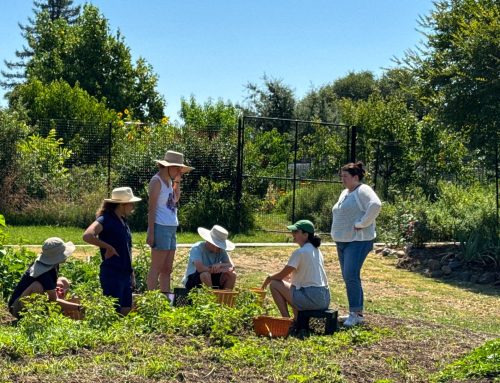
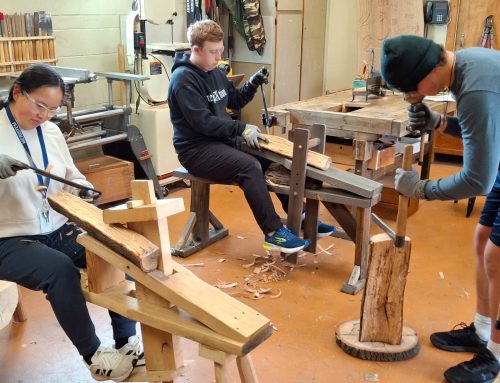
Experiential learning—learning by doing—is incredibly effective for autistic young adults because it is concrete, hands-on, and immediately applicable. When a student learns to cook in a real kitchen, care for animals on a farm, or manage a budget for a real-world project, the learning is deep and lasting.
Our 13-acre campus is a living laboratory for self-sufficiency. Students don’t just talk about life skills; they live them. They manage their own residential spaces, cook meals for their peers, and hold internships in the community. They make mistakes in a safe, supportive environment and learn from them. This immersive approach is what allows them to make such rapid progress.
As a parent, you can create smaller-scale experiential learning opportunities. Encourage your young adult to get a part-time job, volunteer, or join a club. These experiences will teach them more about self-sufficiency than any lecture ever could.
Measuring Progress and Celebrating Milestones
Building self-sufficiency is a marathon, not a sprint. There will be good days and bad days. The key is to focus on progress, not perfection.
Keep a “Success Log”: Every week, write down one thing your young adult did that showed progress in self-sufficiency. It doesn’t have to be a huge accomplishment. Maybe they initiated a task without being asked. Maybe they solved a small problem on their own. Maybe they remembered an appointment without a reminder.
Reviewing this log together can be a powerful way to build self-esteem and recognize how far they have come. It shifts the focus from deficits to growth.
Celebrate the Wins: When your young adult masters a new skill or handles a situation independently, celebrate it! Acknowledge their hard work and express your pride. Positive reinforcement is a powerful motivator.
The Meristem Method: An Environment Designed for Self-Sufficiency
Building self-sufficiency requires an environment that allows for practice, failure, and growth. The Meristem Method is designed to be that environment. Our five-domain framework fosters self-sufficiency by focusing on:
- Life Skills & Social Skills: We provide endless opportunities for hands-on practice in real-world settings, from navigating public transportation to managing healthcare appointments.
- Therapeutic Movement: Self-sufficiency requires emotional regulation and body awareness. We teach students to recognize and manage their own physical and emotional states.
- Land & Nature Immersion: Working on our 13-acre campus builds resilience and self-reliance. Students see the direct results of their efforts, which builds confidence and a sense of agency.
- Craft & Resistance Training: The ability to work through challenges and persist through difficulty is the essence of self-sufficiency. Craft work builds this capacity in a concrete, meaningful way.
- Self-Leadership & Executive Functioning: We help students develop the planning, problem-solving, and decision-making skills that allow them to manage their own lives without constant external support.
By focusing on these five areas through experiential learning, we help young adults move from dependence to self-reliance with confidence. Learn more about how we build self-sufficiency.
Your New Role: The Consultant
As your young adult builds self-sufficiency, your role will naturally shift. You will move from being the director to being the consultant. You are no longer the one driving the car, but you are still the trusted GPS they can turn to when they get lost.
This transition can be emotional. It requires trust, patience, and a willingness to let go. But it is also incredibly rewarding. Watching your child step into their own power and build a life of their own is the ultimate goal of parenting.
If you are struggling with this transition, know that you are not alone. Programs like Meristem can provide the support and structure needed to help both you and your young adult navigate this critical stage. Our Self-Leadership Program is designed to be a bridge to independence, providing the skills and confidence needed for a self-sufficient life.
For a broader look at the journey to independence, read our comprehensive Complete Guide to Independence for Autistic Young Adults.
Ready for to tale the next step? Reach out to our Admissions Office to get more information and schedule a tour of our campus.
Key Takeaways
- Self-sufficiency is more than a checklist. It’s the combination of life skills, executive function, and self-esteem.
- Your role is shifting from caregiver to consultant. Support without smothering using the scaffolding approach.
- Teach problem-solving, not just task completion. Ask questions instead of giving answers.
- Embrace external tools. Checklists, timers, and calendars are essential supports for executive function.
- Let natural consequences happen (when safe). They are powerful teachers.
- Focus on progress, not perfection. Celebrate every small step forward.
Voices of Community Podcast
Join us for conversations with autistic adults, families, and professionals who are helping shape a more inclusive world. Each episode shares personal stories, insights, and perspectives from across the Meristem community and beyond.