Independence is not built in a single moment but through the mastery of essential life skills, practiced over time until they become second nature. For autistic young adults, these skills are the building blocks of autonomy, self-sufficiency, and a fulfilling adult life. But with so many possible skills to teach, where do you start? What are the most critical abilities that will have the greatest impact on your young adult’s independence?
This comprehensive checklist identifies the ten most essential life skills every autistic young adult should master. Each skill is broken down into specific, measurable components with clear indicators of mastery. Use this guide as both an assessment tool to identify where your young adult is now and a roadmap for where to focus your teaching efforts next.
As we explored in our guide on teaching life skills to autistic young adults, the key is to start where your young adult is, build systematically, and celebrate every step forward. Let’s dive into the essential skills that will transform their journey to independence.
How to Use This Checklist
This checklist is designed to be a practical, ongoing tool for families and educators. Here’s how to use it effectively:
Step 1: Assess Current Abilities
Go through each skill area and honestly evaluate where your young adult is right now. Use the three-level system:
- ✅ Mastered: Can do independently without prompting
- In Progress: Can do with reminders or partial support
- ⭕ Not Yet Started: Has not yet learned or attempted this skill
Step 2: Identify Priority Areas
Focus on 2-3 skills that will have the biggest impact on independence right now. Don’t try to tackle everything at once.
Step 3: Create an Action Plan
For each priority skill, set specific, measurable goals and establish a teaching timeline. Refer to our teaching guide for step-by-step instruction methods.
Step 4: Track Progress
Revisit this checklist monthly or quarterly to track progress and adjust your priorities as skills develop.
Step 5: Celebrate Milestones
Every skill mastered is a victory. Acknowledge progress and build on success.
Skill 1: Personal Hygiene and Self-Care Routines
Personal hygiene is the foundation of independence. It impacts health, social acceptance, and self-esteem. According to Autism Speaks, self-care activities are among the most important life skills to introduce early and build consistently.
Essential Components:
Daily Hygiene Routine
- Showers or bathes independently (including washing hair)
- Brushes teeth twice daily without reminders
- Uses deodorant daily
- Washes face morning and evening
- Maintains clean, trimmed fingernails
Grooming
- Combs or styles hair appropriately
- Shaves (if applicable) safely and regularly
- Recognizes when clothing is dirty and needs changing
- Dresses appropriately for weather and occasion
Menstrual Care (if applicable)
- Manages menstrual hygiene independently
- Tracks cycle and anticipates needs
- Disposes of products appropriately
Mastery Indicators:
Your young adult completes their full hygiene routine every day without prompting, maintains appropriate grooming standards, and recognizes when they need to adjust their routine (e.g., showering after exercise).
Why It Matters:
Personal hygiene is often the first thing others notice. Mastering these skills opens doors to employment, social relationships, and community participation.
Skill 2: Meal Planning and Cooking
The ability to feed oneself nutritious meals is fundamental to independent living. Cooking is also a valuable social skill and a source of pride and accomplishment.
Essential Components:
Basic Cooking Skills
- Operates microwave safely
- Uses toaster and toaster oven
- Boils water and cooks pasta
- Scrambles eggs or makes simple breakfast
- Uses stove and oven safely with proper temperature control
- Follows a simple recipe with 5-7 steps
- Uses kitchen timer to prevent burning
Meal Planning
- Plans 3-5 simple meals for the week
- Creates a grocery list based on meal plan
- Understands basic nutrition (protein, vegetables, carbs)
- Recognizes when food has spoiled
- Stores leftovers safely
Kitchen Safety and Cleanup
- Washes hands before cooking
- Uses knives safely
- Cleans up spills immediately
- Washes dishes or loads dishwasher
- Wipes down counters and stove after cooking
Mastery Indicators:
Your young adult can independently prepare 5-7 simple, nutritious meals, plan a week’s worth of meals, and maintain a clean, safe kitchen.
Why It Matters:
Cooking skills directly impact health, budget, and quality of life. They also provide opportunities for social connection through shared meals.
Skill 3: Household Cleaning and Maintenance
A clean, organized living space supports mental health, productivity, and pride in one’s home. These skills are essential for any residential setting.
Essential Components:
Daily Maintenance
- Makes bed every morning
- Puts away personal belongings
- Wipes down bathroom sink after use
- Takes out trash when full
- Sweeps or vacuums floors weekly
Deep Cleaning
- Cleans toilet and bathroom thoroughly
- Mops floors
- Dusts surfaces
- Cleans kitchen appliances (microwave, stovetop, refrigerator)
- Changes bed linens weekly
Organization
- Maintains an organized bedroom/living space
- Knows where important items are kept
- Declutters regularly
- Uses storage systems effectively
Mastery Indicators:
Your young adult maintains a clean, organized living space without prompting and can complete a full apartment or room cleaning in 1-2 hours.
Why It Matters:
Living in a clean environment reduces stress and creates a foundation for productivity and well-being. These skills are essential for any independent living situation.
Skill 4: Money Management and Budgeting
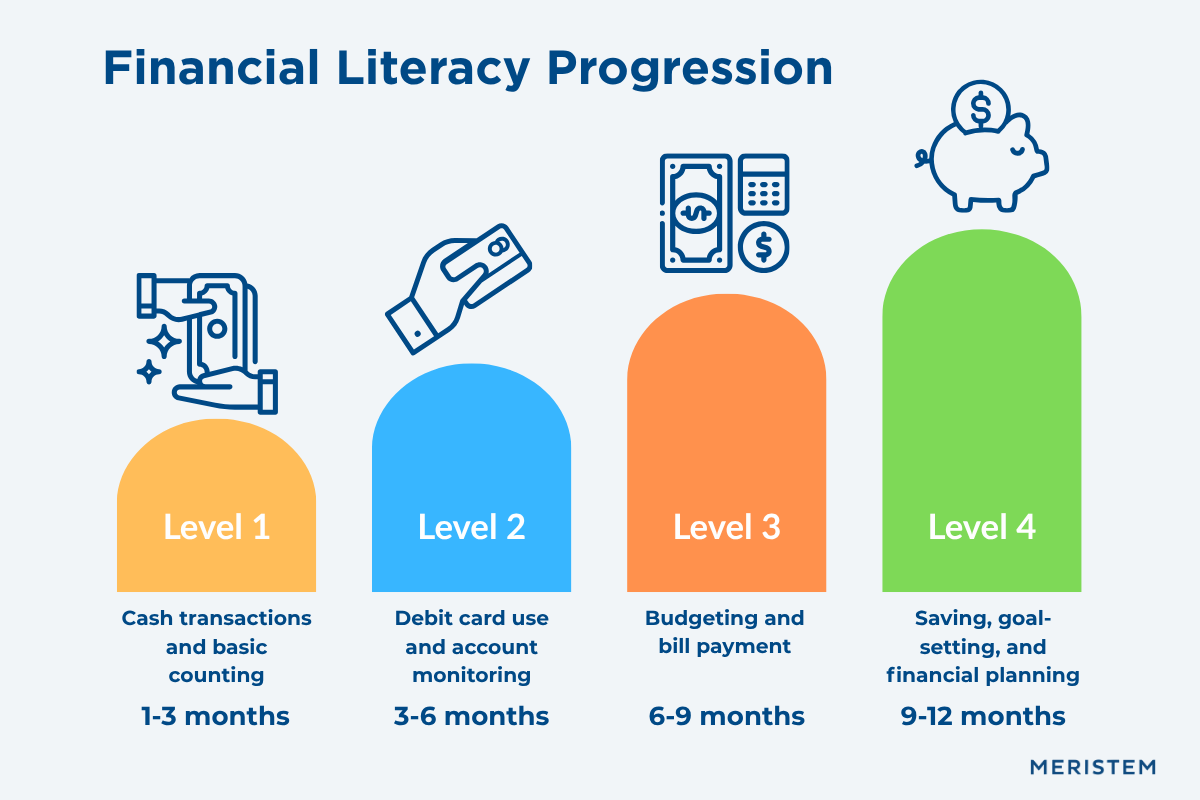
Financial literacy is the cornerstone of independence. Without it, even the most capable individuals struggle to maintain autonomy.
Essential Components:
Basic Money Skills
- Identifies coins and bills
- Counts money accurately
- Makes purchases with cash and receives correct change
- Uses a debit card for purchases
- Checks account balance regularly
- Understands the difference between debit and credit
Budgeting
- Tracks income and expenses
- Creates a simple monthly budget
- Divides money into categories (needs, wants, savings)
- Sticks to budget and adjusts when needed
- Saves for specific goals
Banking
- Has checking and savings accounts
- Makes deposits (in person or via app)
- Uses ATM safely
- Pays bills on time (online or by mail)
- Reviews bank statements for errors
Financial Safety
- Recognizes common scams (phone, email, text)
- Protects personal information (SSN, passwords)
- Knows when to ask for help with financial decisions
Mastery Indicators:
Your young adult manages their own checking account, creates and follows a monthly budget, pays bills on time, and makes informed spending decisions.
Why It Matters:
Financial independence is true independence. These skills prevent exploitation, enable goal achievement, and provide long-term security.
Skill 5: Using Public Transportation
Transportation independence is consistently cited as the number one barrier to employment for autistic adults. Mastering this skill opens up a world of possibilities.
Essential Components:
Route Planning
- Reads bus or train schedules
- Uses transit apps to plan routes
- Identifies correct bus/train number and direction
- Knows how to transfer between routes
- Plans for travel time and arrives on time
Navigation
- Recognizes key landmarks and stops
- Knows when to get off
- Asks for help when confused
- Uses GPS or maps on phone for walking directions
Safety and Social Skills
- Waits in safe, well-lit areas
- Maintains personal space and appropriate behavior
- Keeps belongings secure
- Knows what to do if they miss their stop or get lost
- Has emergency contact information accessible
Payment
Purchases transit passes or tickets
Uses transit card or app for payment
Understands fare zones and pricing
Mastery Indicators:
Your young adult can independently plan and execute a trip using public transportation, handle unexpected delays or changes, and arrive safely at their destination.
Why It Matters:
Transportation independence enables employment, social engagement, and community participation. It is the gateway to a fuller, richer life.
Skill 6: Healthcare Self-Advocacy
The ability to manage one’s own healthcare is essential for long-term well-being and independence.
Essential Components:
Appointments and Scheduling
- Calls to schedule doctor/dentist appointments
- Arrives on time for appointments
- Completes intake forms independently
- Brings insurance card and ID
Communication with Providers
- Describes symptoms clearly
- Asks questions about diagnosis and treatment
- Advocates for accommodations when needed
- Follows up on test results
Medication Management
- Takes medications as prescribed without reminders
- Knows medication names, dosages, and purposes
- Refills prescriptions before running out
- Recognizes and reports side effects
Health Maintenance
- Understands basic health needs (sleep, nutrition, exercise)
- Recognizes when to seek medical care
- Maintains health records
- Understands insurance coverage and co-pays
Mastery Indicators:
Your young adult manages their own healthcare appointments, communicates effectively with providers, takes medications independently, and makes informed health decisions.
Why It Matters:
Healthcare self-advocacy ensures that your young adult receives appropriate care and can maintain their health throughout their lifetime.
Skill 7: Time Management and Scheduling
Executive function challenges make time management particularly difficult for autistic individuals, but it is a skill that can be taught and strengthened.
Essential Components:
Daily Routines
- Wakes up on time without multiple reminders
- Follows a morning routine independently
- Arrives on time for work, appointments, or activities
- Manages evening routine and bedtime
Planning and Organization
- Uses a calendar or planner (paper or digital)
- Plans ahead for upcoming events
- Breaks large tasks into smaller steps
- Prioritizes tasks by importance and deadline
- Estimates how long tasks will take
Time Awareness
- Reads analog and digital clocks
- Understands concepts like “in 15 minutes” or “by 3:00 PM”
- Uses timers and alarms effectively
- Recognizes when they are running late and adjusts
Mastery Indicators:
Your young adult manages their own schedule, arrives on time consistently, completes tasks by deadlines, and uses tools to compensate for time blindness.
Why It Matters:
Time management is essential for employment, education, and maintaining relationships. It is a foundational executive function skill.
Skill 8: Grocery Shopping and Meal Prep
Grocery shopping combines multiple skills: planning, budgeting, navigation, and decision-making. It is a critical component of independent living.
Essential Components:
Shopping Skills
- Creates a grocery list based on meal plan
- Navigates grocery store layout
- Compares prices and makes cost-effective choices
- Reads labels for ingredients and nutrition
- Checks expiration dates
- Uses self-checkout or interacts appropriately with cashier
Budgeting
- Estimates total cost before checkout
- Stays within grocery budget
- Uses coupons or store apps for savings
- Pays with debit card or cash
Food Safety
- Refrigerates perishables promptly
- Stores food properly
- Recognizes when food has spoiled
- Understands “use by” and “best by” dates
Mastery Indicators:
Your young adult can plan meals, create a shopping list, navigate the store independently, stay within budget, and store food safely.
Why It Matters:
Grocery shopping is a weekly necessity. Mastering this skill enables nutritious eating within a budget and reduces dependence on others.
Ready for to tale the next step? Reach out to our Admissions Office to get more information and schedule a tour of our campus.
Skill 9: Laundry and Clothing Care
Clean, appropriate clothing is essential for social acceptance, employment, and self-esteem.
Essential Components:
Laundry Process
- Sorts clothes by color and fabric type
- Measures and adds detergent correctly
- Operates washer and dryer
- Selects appropriate settings for different fabrics
- Transfers clothes promptly to prevent mildew
- Folds or hangs clothes neatly
- Puts clothes away in proper places
Clothing Care
- Recognizes when clothes need washing
- Treats stains promptly
- Hand-washes delicate items if needed
- Irons or steams wrinkled clothing
- Makes minor repairs (sewing on buttons, fixing hems)
Wardrobe Management
- Chooses weather-appropriate clothing
- Dresses appropriately for different occasions
- Recognizes when clothes are worn out and need replacing
- Shops for clothing within budget
Mastery Indicators:
Your young adult completes laundry independently from start to finish, maintains clean and appropriate clothing, and manages their wardrobe effectively.
Why It Matters:
Clean, appropriate clothing impacts first impressions, employment opportunities, and social relationships. It is a visible marker of independence.
Skill 10: Emergency Preparedness and Safety Awareness
Safety awareness and the ability to respond appropriately in emergencies can be life-saving.
Essential Components:
Emergency Response
- Knows when and how to call 911
- Can clearly state their name, address, and emergency
- Knows emergency contacts and how to reach them
- Understands basic first aid (cuts, burns, choking)
- Knows how to use a fire extinguisher
- Knows evacuation routes from home and workplace
Personal Safety
- Recognizes unsafe situations and removes themselves
- Understands stranger danger and appropriate boundaries
- Locks doors and windows
- Doesn’t share personal information with strangers
- Knows how to report feeling unsafe
Home Safety
- Knows how to turn off utilities in emergency
- Checks smoke detector batteries
- Recognizes gas leaks and knows what to do
- Stores hazardous materials safely
- Knows what to do if locked out
Community Safety
- Crosses streets safely
- Stays aware of surroundings
- Travels in well-lit, populated areas
- Knows safe places to go if feeling threatened
- Carries ID and emergency contact information
Mastery Indicators:
Your young adult can identify and respond appropriately to emergencies, maintains personal safety in the community, and makes sound safety decisions.
Why It Matters:
Safety awareness is non-negotiable for independent living. These skills protect your young adult from harm and enable them to live with confidence.
Creating Your Action Plan
Now that you have assessed your young adult’s current skills, it is time to create an action plan. Here is how to move forward:
Step 1: Identify Top 3 Priority Skills
Based on your assessment, which 2-3 skills will have the biggest impact on independence right now? Consider:
- What skills are needed for their next step (employment, residential program, semi-independent living)?
- Which skills are they developmentally ready to learn?
- Which skills will build confidence and motivation?
Step 2: Set Specific, Measurable Goals
For each priority skill, set a concrete goal. Instead of “improve cooking skills,” aim for “independently prepare 3 simple meals by end of month.”
Step 3: Use Proven Teaching Methods
Refer to our comprehensive guide on teaching life skills to autistic young adults for step-by-step instruction methods, including task analysis, visual supports, and the “I do, we do, you do” approach.
Step 4: Practice in Real-World Settings
Skills learned at home must be practiced in the community. If you are teaching grocery shopping, practice at multiple stores. If you are teaching transportation, practice different routes.
Step 5: Track Progress and Adjust
Revisit this checklist monthly. Celebrate skills that move from “in progress” to “mastered.” Adjust your priorities as your young adult’s needs and abilities evolve.
Beyond the Checklist: How the Meristem Method Builds Lasting Skills
Mastering the 10 essential life skills in this guide is a crucial step toward independence. But at Meristem, we know that skills learned in isolation often don’t transfer to real-world situations. That’s why we integrate skill-building into the Meristem Method, our five-domain framework that develops the whole person:
- Life Skills & Social Skills: The practical abilities in this checklist—from cooking and budgeting to transportation and healthcare—are taught in real-world contexts where students can practice, make mistakes, and build confidence.
- Therapeutic Movement: We help students develop the body awareness and emotional regulation needed to manage the anxiety that often accompanies learning new skills.
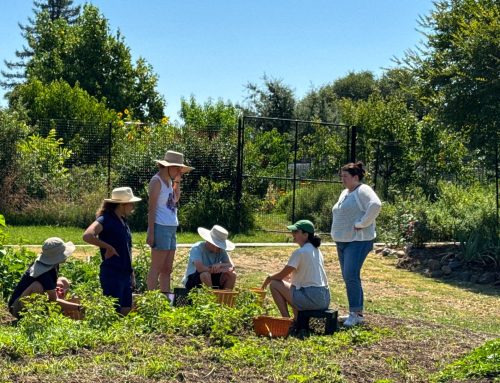
- Land & Nature Immersion: Our 13-acre campus provides a low-stimulation environment where students can practice skills without the sensory overwhelm of traditional settings.
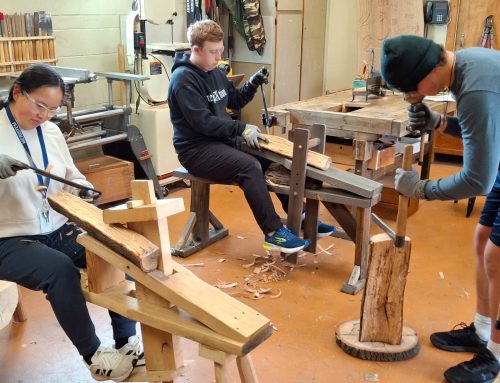
- Craft & Resistance Training: Working through challenges in craft projects builds the persistence and problem-solving skills needed to master complex life skills.
- Self-Leadership & Executive Functioning: We teach students not just how to perform tasks, but how to plan, organize, and initiate them independently—the true markers of self-sufficiency.
This integrated approach ensures that skills aren’t just learned—they’re applied, generalized, and connected to a fulfilling life. Learn more about the Meristem Method.
When Professional Support Makes the Difference
While many life skills can be taught at home, there are times when professional support accelerates progress. At Meristem, we specialize in teaching life skills through experiential learning in a supportive, nature-based environment.
Our holistic approach integrates all ten of these essential skills into daily life on our 13-acre campus. Students do not just learn about cooking—they plan menus, shop for ingredients, and prepare meals for their community. They do not just practice laundry—they manage their own clothing care as part of residential living.
This immersive, real-world approach is why 75% of our graduates are employed or enrolled in higher education within one year. If you are ready to accelerate your young adult’s journey to independence, explore our programs or schedule a campus tour.
For a deeper understanding of how independence develops over time, read our comprehensive guide: The Complete Guide to Independence for Autistic Young Adults.
Key Takeaways
✅ Independence is built skill by skill. Focus on mastering essential abilities rather than trying to do everything at once.
✅ Assessment guides action. Use this checklist regularly to identify priorities and track progress.
✅ Every individual’s timeline is different. Developmental readiness matters more than chronological age.
✅ Real-world practice is essential. Skills must be practiced in varied settings to generalize.
✅ Celebrate every milestone. Progress, not perfection, is the goal.
✅ Professional support can accelerate growth. Programs like Meristem provide immersive, experiential learning that builds skills faster.
Voices of Community Podcast
Join us for conversations with autistic adults, families, and professionals who are helping shape a more inclusive world. Each episode shares personal stories, insights, and perspectives from across the Meristem community and beyond.