Teaching life skills to autistic young adults can feel overwhelming. Where do you start? How do you break down complex tasks? What if your young adult resists or struggles? These are questions that every parent and educator grapples with as they work to build the foundation for independence.
The good news is that life skills can be taught effectively with the right approach. It requires patience, consistency, and a willingness to adapt to the individual’s learning style. In this guide, we will walk you through a proven, step-by-step methodology for teaching life skills, drawing on evidence-based practices and the experiential learning approach we use at Meristem.
Whether you are teaching your young adult to cook a meal, manage their finances, or navigate public transportation, the principles remain the same: break it down, practice it, and celebrate progress. Let’s dive in.
Understanding How Autistic Individuals Learn Best
Before we explore specific teaching strategies, it is essential to understand how autistic individuals learn best. While every person is different, there are some common learning characteristics that can guide your approach.
Visual Learning Strengths
Many autistic individuals are visual learners. They process and retain information better when it is presented visually rather than verbally. This is why visual supports are so effective for teaching life skills. Checklists, picture schedules, video models, and step-by-step diagrams can all enhance learning and retention.
Need for Structure and Predictability
Autistic individuals often thrive in structured, predictable environments. Knowing what to expect reduces anxiety and allows them to focus on learning. When teaching life skills, establish clear routines, use consistent language, and provide advance notice of any changes.
Hands-On, Experiential Learning
Abstract concepts can be challenging for autistic learners. They often learn best through direct, hands-on experience. Rather than lecturing about how to do laundry, guide them through the actual process in a real laundromat. This experiential approach builds competence and confidence in a way that classroom instruction alone cannot.
The Role of Special Interests
Many autistic individuals have intense, focused interests. These special interests can be powerful motivators and learning tools. If your young adult loves trains, use train schedules to teach time management. If they are passionate about cooking shows, use that interest to teach meal planning and nutrition.
The Three-Phase Teaching Model
At Meristem, we use a three-phase teaching model that has proven highly effective for building life skills. This model is based on the principles of scaffolding and gradual release of responsibility. Here’s how it works:
Phase 1: Assess Current Skills and Set Goals
Before you begin teaching, you need to understand where your young adult is starting from. What skills do they already have? Where are the gaps? What are their strengths and challenges?
Autism Speaks recommends using assessment tools like the Community-Based Skills Assessment (CSA) to evaluate current skill levels. This tool, developed by Virginia Commonwealth University, assesses abilities in areas like transportation, financial management, and peer relationships.
Once you have a clear picture of current skills, set specific, measurable goals. Rather than a vague goal like “improve cooking skills,” aim for something concrete: “prepare three simple meals independently by the end of the month.”
Key Questions to Ask:
- What does the individual already do independently?
- What tasks do they do with prompting or support?
- What tasks have they not yet attempted?
- What are their sensory sensitivities that might impact learning?
- What are their strengths and interests that can support learning?
Phase 2: Teach Using Visual Supports and Task Analysis
Once you have set clear goals, it is time to teach. The most effective approach is to break down complex tasks into smaller, manageable steps using a technique called task analysis.
Task analysis involves identifying every single step required to complete a task, no matter how small. For example, brushing teeth might include: pick up toothbrush, wet toothbrush, apply toothpaste, brush front teeth, brush back teeth, brush tongue, rinse mouth, rinse toothbrush, and put toothbrush away.
Create a visual checklist for each task. This can be a simple printed list with checkboxes, a laminated card with pictures, or a digital checklist on a tablet. The key is that it provides a clear, step-by-step roadmap that the individual can follow independently.
The “I Do, We Do, You Do” Method:
I Do: Demonstrate the task while the individual observes. Narrate each step as you complete it.
We Do: Complete the task together, with the individual taking an increasingly active role. Provide verbal or physical prompts as needed.
You Do: The individual completes the task independently while you observe. Provide support only if they get stuck.
This gradual release of responsibility builds confidence and competence over time.
Phase 3: Practice in Real-World Settings
The final phase is practice, practice, practice. Skills learned in a controlled environment must be transferred to real-world settings. If you have been teaching cooking skills in your home kitchen, practice making a meal at a friend’s house or in a community kitchen. If you have been teaching money skills with play money, practice making real purchases at a store.
Real-world practice is essential because it exposes the individual to the variability and unpredictability of everyday life. They learn to adapt when things do not go exactly as planned, which is a critical component of true independence.

Teaching Specific Life Skills: Practical Examples
Now let us explore how to apply this three-phase model to specific life skills. We will focus on four essential areas: cooking, laundry, money management, and transportation.
Teaching Cooking Skills
Cooking is one of the most important life skills for independence. It impacts nutrition, health, budget, and social connection. Here is how to teach it step by step.
Step 1: Start Simple
Begin with no-cook or minimal-cook meals: sandwiches, salads, smoothies. This builds confidence and teaches basic food safety and preparation skills without the added complexity of using a stove or oven.
Step 2: Introduce Basic Cooking Techniques
Once your young adult is comfortable with simple meals, introduce basic cooking techniques one at a time: boiling water, using a microwave, toasting bread, scrambling eggs. Create a visual recipe card for each technique with pictures and simple instructions.
Step 3: Build a Repertoire of Simple Meals
Work together to identify 5-7 simple meals that your young adult enjoys and can prepare independently. Create visual recipe cards for each one. Practice each meal multiple times until it becomes routine.
Step 4: Teach Meal Planning and Grocery Shopping
Once your young adult can prepare several meals, teach them how to plan a week’s worth of meals and create a grocery list. Practice shopping together, then gradually fade your support until they can shop independently.
Teaching Laundry Skills
Laundry is a multi-step task that requires planning, sequencing, and time management. It is an excellent skill for building executive function.
Step 1: Create a Visual Checklist
Break down the laundry process into individual steps:
- Collect dirty clothes from hamper
- Sort clothes by color (whites, darks, colors)
- Load washer with one pile
- Add detergent (measure correct amount)
- Select wash cycle and start
- Set timer for when wash is done
- Transfer clothes to dryer
- Select dryer cycle and start
- Set timer for when drying is done
- Remove clothes and fold
- Put clothes away
Step 2: Practice Each Step
Do not try to teach the entire process at once. Start with sorting, then loading, then adding detergent. Practice each step until it is mastered before moving to the next.
Step 3: Use Timers and Reminders
One of the biggest challenges with laundry is remembering to transfer clothes from washer to dryer and from dryer to folding. Teach your young adult to set phone alarms or use a visual timer to remind them when each cycle is complete.
Step 4: Practice in Different Settings
Once your young adult can do laundry at home, practice at a laundromat. The machines and environment will be different, which provides valuable experience in generalizing skills.
Teaching Money Management Skills
Financial literacy is a cornerstone of independence. Start with concrete, hands-on experiences and gradually build to more abstract concepts.
Step 1: Teach Coin and Bill Recognition
Begin with identifying different coins and bills. Use real money, not play money. Practice counting out specific amounts.
Step 2: Practice Making Purchases
Start with small, supervised purchases at a store. Give your young adult a specific amount of money and have them buy a predetermined item. This teaches the exchange of money for goods and the concept of change.
Step 3: Introduce Budgeting
Once your young adult understands basic transactions, introduce the concept of a budget. Start with a simple weekly allowance. Help them divide it into categories: savings, spending, and giving. Use visual aids like envelopes or jars to make the categories concrete.
Step 4: Teach Banking Skills
Open a checking account together. Teach them how to check their balance, make deposits, and use a debit card. Practice online banking and bill payment. Many banks offer financial literacy programs specifically for individuals with disabilities.
| Skill Level | Money Management Skills | Timeline |
|---|---|---|
| Beginner | Coin/bill recognition, making small purchases with cash | 1-3 months |
| Intermediate | Using a debit card, checking account balance, basic budgeting | 3-6 months |
| Advanced | Paying bills, saving for goals, understanding credit, avoiding scams | 6-12 months |
Teaching Transportation Skills
Transportation is often cited as the number one barrier to employment for autistic adults. Teaching navigation skills opens up a world of possibilities.
Step 1: Teach Pedestrian Safety
Before your young adult can use public transportation, they need to understand basic pedestrian safety: crossing at crosswalks, obeying traffic signals, looking both ways, and staying aware of their surroundings.
Step 2: Introduce Public Transportation
Start by riding public transportation together. Point out key landmarks, explain how to read a bus schedule, and practice using a transit app. Gradually fade your support: first ride together, then sit separately on the same bus, then follow in a car, then let them go independently while you track their location.
Step 3: Teach Problem-Solving for Unexpected Situations
What happens if the bus is late? What if they miss their stop? What if they get lost? Role-play these scenarios and teach specific strategies for handling them: asking for help, using a phone to call for support, and staying calm.
Step 4: Expand to Other Modes of Transportation
Once your young adult is comfortable with one form of transportation, introduce others: ride-sharing apps, biking, or driving. Each mode requires different skills, but the principles of planning, navigating, and problem-solving remain the same.
Overcoming Common Challenges
Teaching life skills to autistic young adults is not always smooth sailing. Here are some common challenges and how to address them.
Challenge: Resistance or Refusal
Solution: Understand the root cause. Is the task too difficult? Is there a sensory issue? Is anxiety getting in the way? Break the task down further, address sensory concerns, and build in more support. Also, connect the skill to something they care about. If they resist learning to cook, start with their favorite food.
Challenge: Difficulty Generalizing Skills
Solution: Practice the skill in multiple settings with different people. If they can make a sandwich at home, practice at a friend’s house, at school, and at a community center. This helps them learn that the skill applies in all contexts, not just one.
Challenge: Executive Function Barriers
Solution: Provide external supports. Use visual schedules, timers, checklists, and reminders. Teach them to use technology like smartphone apps to compensate for memory and organization challenges.
Challenge: Perfectionism or Fear of Failure
Solution: Normalize mistakes. Model making mistakes yourself and laughing them off. Celebrate effort, not just outcomes. Create a low-stakes environment where it is safe to try and fail.
The Role of Positive Reinforcement
Positive reinforcement is a powerful tool for teaching life skills. When your young adult successfully completes a task or makes progress toward a goal, acknowledge it. This does not have to be elaborate—a simple “Great job!” or a high-five can be incredibly motivating.
For some individuals, tangible rewards like earning points toward a desired item or activity can be effective. The key is to find what motivates the individual and use it consistently.
Over time, the goal is to fade external rewards and help the individual develop intrinsic motivation. They should feel proud of their accomplishments and motivated by the increased independence and autonomy that life skills provide.
Ready for to tale the next step? Reach out to our Admissions Office to get more information and schedule a tour of our campus.
Building a Supportive Learning Environment
The environment in which you teach life skills matters. A calm, low-stress, sensory-friendly environment allows the individual to focus on learning rather than managing sensory overload or anxiety.
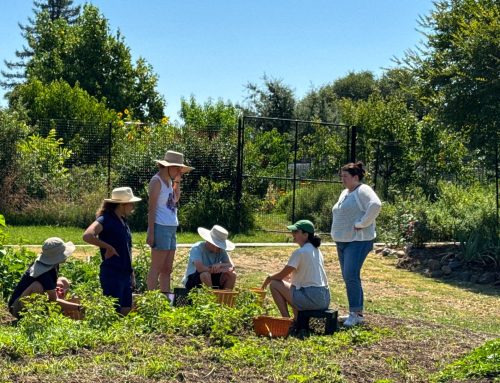
At Meristem, our 13-acre nature-based campus provides an ideal learning environment. The natural setting is calming and grounding, and the real-world context—cooking in a residential kitchen, caring for farm animals, navigating the campus—makes learning meaningful and immediately applicable.
You can create a supportive learning environment at home by:
- Reducing distractions during teaching time
- Providing sensory accommodations (noise-canceling headphones, fidget tools, etc.)
- Building in breaks and downtime
- Creating a predictable routine
- Celebrating small wins
The Meristem Method: Where Life Skills Come to Life
The step-by-step teaching strategies in this guide are essential for building life skills. But at Meristem, we’ve learned that the environment where skills are taught matters just as much as the method. That’s why we’ve built our programs around the Meristem Method, a five-domain framework that creates the ideal conditions for learning and retention:
- Life Skills & Social Skills: We don’t just teach skills in a classroom—we practice them in real-world contexts where students can see immediate, meaningful results. From cooking meals in our communal kitchen to navigating actual bus routes, learning happens where it matters most.
- Therapeutic Movement: Many students struggle to learn new skills when they’re anxious or dysregulated. Our therapeutic movement practices help students develop the body awareness and emotional regulation needed to stay calm and focused during the learning process.
- Land & Nature Immersion: Our 13-acre campus provides a low-stimulation, sensory-friendly environment where students can practice skills without the overwhelm of traditional settings. Nature-based work also builds the patience and persistence needed for skill mastery.
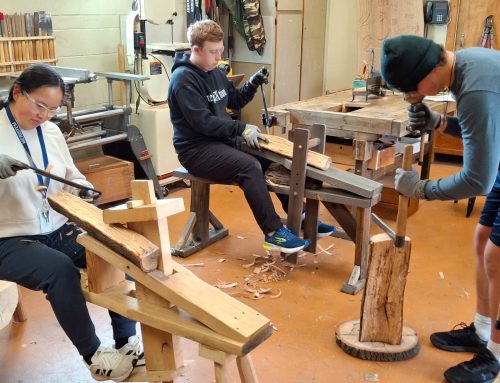
- Craft & Resistance Training: Working with your hands—whether it’s woodworking, metalwork, or ceramics—teaches the same step-by-step process, attention to detail, and persistence required for life skills. These capacities transfer directly to cooking, cleaning, and other daily tasks.
- Self-Leadership & Executive Functioning: We teach students not just how to perform tasks, but how to plan, initiate, and problem-solve independently. This is the difference between following instructions and true self-sufficiency.
When you combine evidence-based teaching methods with the right environment and holistic support, life skills don’t just get learned—they get mastered. Learn more about our experiential approach.
When to Seek Professional Support
While many life skills can be taught at home, there are times when professional support is beneficial. If your young adult is struggling despite your best efforts, or if you feel overwhelmed and unsure how to proceed, it may be time to seek help.
Occupational therapists, life skills coaches, and specialized programs like Meristem can provide expert guidance and support. These professionals have training in evidence-based teaching methods and can create individualized plans that address your young adult’s unique needs.
At Meristem, we specialize in teaching life skills through experiential learning. Our holistic approach integrates practical skills training with social skills development, mental health support, and career readiness. We have seen firsthand how transformative the right support can be.
If you are interested in learning more about how Meristem can support your young adult’s journey to independence, contact us today to schedule a campus tour.
The Long-Term Payoff: Independence and Self-Determination
Teaching life skills is not just about checking items off a list. It is about empowering your young adult to live a life of independence, purpose, and self-determination. Every skill they master is a step toward greater autonomy and a richer, more fulfilling life.
The journey will have ups and downs. There will be days when progress feels slow and days when breakthroughs happen. The key is to stay patient, stay consistent, and keep believing in your young adult’s potential.
As we discussed in our comprehensive guide to autism independence, building a self-sufficient life is a marathon, not a sprint. With the right approach, the right support, and the right environment, every autistic young adult can achieve greater independence.
Key Takeaways
- Assess first: Understand current skills and set specific, measurable goals.
- Use visual supports: Checklists, picture schedules, and task analysis make learning accessible.
- Practice the “I Do, We Do, You Do” method: Gradually release responsibility as skills develop.
- Practice in real-world settings: Generalization is key to true independence.
- Address challenges proactively: Understand the root cause and adapt your approach.
- Celebrate progress: Positive reinforcement builds motivation and confidence.
- Seek professional support when needed: Specialized programs can provide expert guidance.
Voices of Community Podcast
Join us for conversations with autistic adults, families, and professionals who are helping shape a more inclusive world. Each episode shares personal stories, insights, and perspectives from across the Meristem community and beyond.