Cultivating Independence: A Foundation for Life
At Meristem, we do not deal in miracles. We deal in work.
The progress you will read about in this report is not the result of a magic formula. It is the result of young adults showing up every day, meeting resistance, and choosing to push through it. The wages earned, the skills mastered, the independence gained: all of it is earned.
Autism is not a deficit. It is a different way of moving, sensing, and being. Most of the world is designed for neurotypical rhythms, which leaves young adults with autism on the periphery. Often isolated. Often underestimated. They do not need a cure. They need a map.
Meristem is that map.
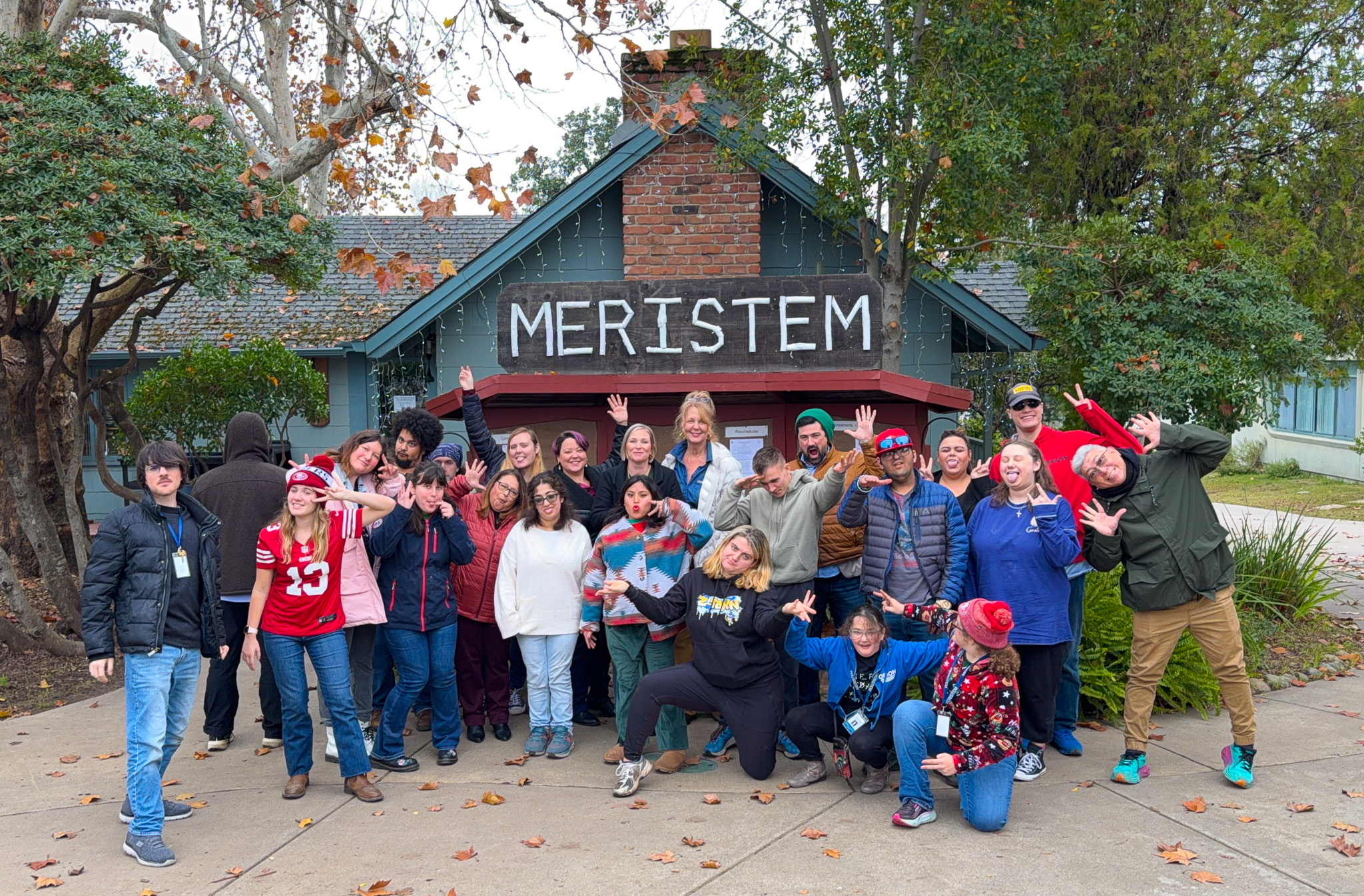
This year, 84 students walked onto our 13-acre campus in Fair Oaks, California and did the hard work of growing up. They learned to cook their own meals. They navigated public transit. They held down competitive jobs. They moved from the periphery of their communities to the center. This is their impact.
Frequently Asked Questions About Meristem’s Impact
2025 Impact By the Numbers
The numbers tell a clear story. In the United States, 85% of young adults with autism still live with their parents. 90% are either unemployed or underemployed. Over 50% have no close friendships . These are not abstract statistics. They are the reality facing the families who come to us.
Meristem is a direct response to that reality.
| Category | Metric | Value | Context |
|---|---|---|---|
| Engagement | Day Program Attendance | 95%+ | Students showing up because they belong. Over 60% maintain attendance above 90%. |
| Health | Fitness Participation | 40 students/week | Gym and water therapeutics through our “In Shape” program. |
| Community | Cafe New Guests | 37% increase | More community members walking through our doors every year. |
| Skills | Intern Shifts | 564 | Real-world vocational shifts completed inside the Meristem Cafe. |
| Employment | Total Hours Worked | 8,667 | Hours logged by 66 students in competitive community jobs. |
| Sustainability | Earned Revenue | 74% | Share of our budget generated through tuition and social enterprises. |
Rhythm Replaces Effort
Anxiety comes from the unknown. When daily life is unpredictable, the nervous system stays on high alert. Learning becomes nearly impossible. Survival takes over.
At Meristem, we believe that Rhythm Replaces Effort. Consistent routines in the dorms and daily schedule lower the cognitive load for our students. That shift, from survival mode to mastery, is where growth happens.
We track this progress through our Independent Living Skills (ILS) program. The California Department of Developmental Services recognizes that verbal prompts are the most intrusive form of support. They can create “prompt dependence,” where students wait to be told rather than act on their own. We work hard to reverse that pattern.
Our data shows exactly how it unfolds:
First-Year Students. They often need more support early on, especially around safety and hygiene. But by year’s end, 75% of their opportunities are completed with staff proximity alone. No direct instruction. Just presence.
Second-Year Students. Independence deepens. 82% of tasks are completed with proximity control. Students show real gains in cooking, money management, and community safety.
Third-Year Students and Beyond. This is where the transformation is most visible. 89% mastery using proximity control alone. Verbal prompting drops below 4%. Reserved only for new or high-risk situations.
Learn more about our enrollment process.
Payton’s Journey
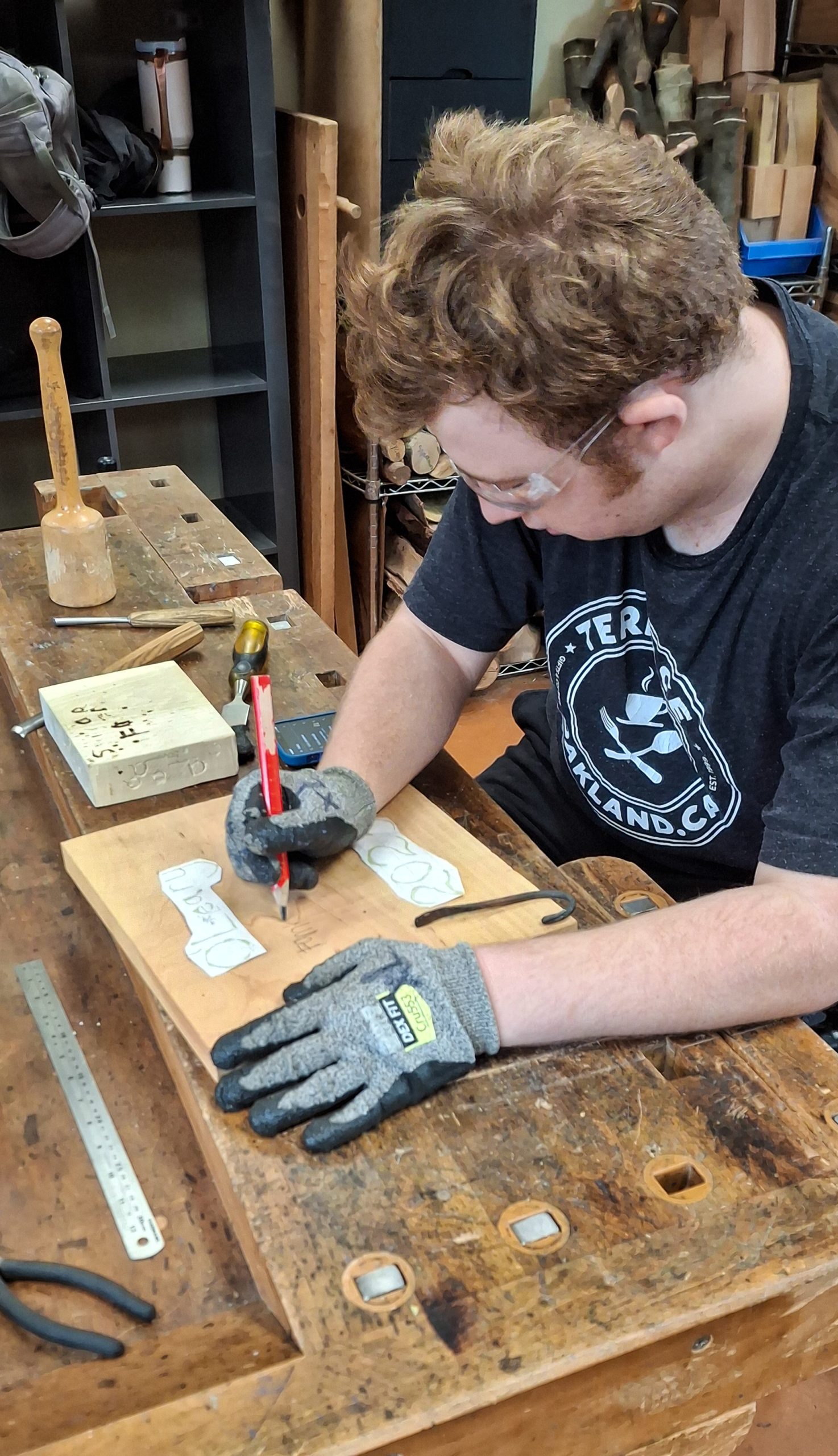
When Payton arrived at Meristem in 2024, the world was too loud. He needed hourly support to manage intense dysregulation. His interactions were guarded. Defensive.
But rhythm is powerful.
Through the consistent structure of the dorms and targeted ILS home visits, Payton found his footing. The noise quieted down. Today, he is not just managing. He is thriving. Payton went from needing constant guidance to hosting friends in his own home. That is what rhythm can do.
Abbie’s Journey
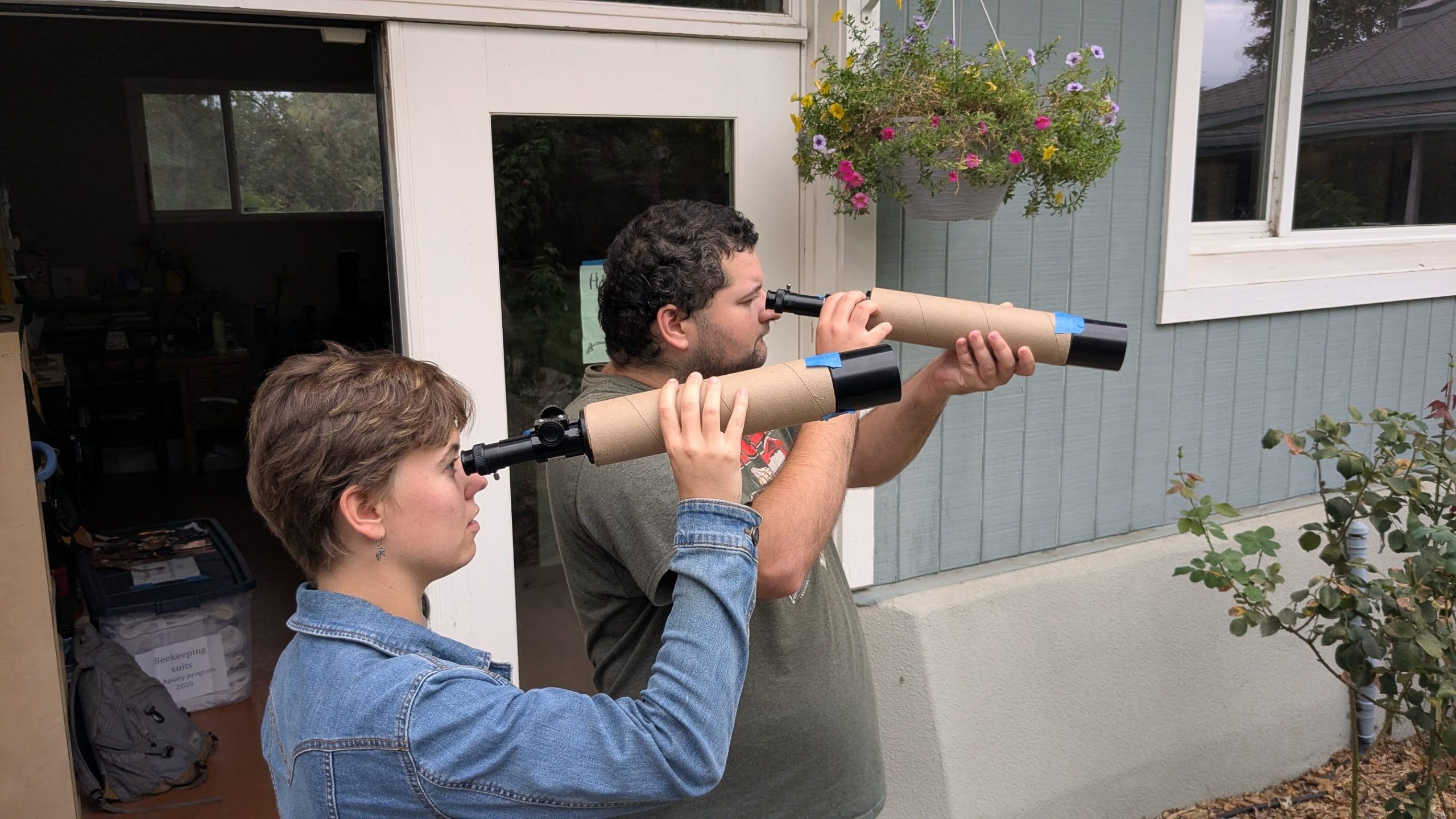
When Abbie moved into the dorms, unstructured time felt overwhelming. She would restart laundry cycles without finishing them. In stores, checkout lines could stop her cold.
She kept showing up. The rhythm held.
Today, Abbie completes her laundry independently. She engages confidently with cashiers and bags her groceries with care. She can recognize when anxiety is rising and manage it without staff nearby. That kind of inner confidence is hard to measure. But it changes everything.
Get the Full Picture
This page only scratches the surface. Our 2025 Impact Report goes deeper — real outcomes, real student stories, and the methodology behind the results we’re proud of.
You’ll see exactly how our approach translates into independence: employment numbers, quality of life gains, and the milestones our graduates are reaching every day.
It’s free. We just need your name and email to send it your way.