How do autistic young adults move from isolation to genuine connection? Autism friendships are built differently than neurotypical relationships. They do not rely on small talk or forced eye contact. Instead, they thrive on shared interests, parallel engagement, and mutual acceptance. When autistic individuals are supported in environments that honor their natural communication styles, they can form deep, lasting bonds that combat the profound loneliness many experience in adulthood.
The transition to adulthood is often a lonely period for autistic individuals. Once the structured environment of high school disappears, the natural opportunities for social interaction vanish with it. Without the daily proximity of peers, many young adults find themselves isolated, unsure of how to initiate contact or maintain relationships in a world that operates on unwritten social rules.
This guide explores the mechanics of building meaningful friendships for autistic young adults. We will examine why traditional social skills training often falls short, how to leverage shared interests as the foundation for connection, and the specific stages of social growth that lead to lasting community.
The Loneliness Epidemic Among Autistic Adults
Loneliness is not an inherent trait of autism. It is a byproduct of living in a society that frequently misunderstands and marginalizes neurodivergent communication styles. Research published by Reframing Autism highlights that autistic people experience loneliness more intensely and at higher rates than non-autistic people. This is not because they prefer to be alone, but because they face significant barriers to finding relationships that meet their desire for connection.
Many autistic adults experience what researchers call “relational loneliness.” They may have acquaintances or interact with family members, but they lack relationships characterized by mutual understanding and depth. This is compounded by “collective loneliness,” the feeling of not belonging in broader society. When an individual must constantly mask their autistic traits to fit in, any resulting relationships often feel inauthentic and exhausting.
The impact of this isolation is severe. Chronic loneliness is closely linked to increased rates of anxiety, depression, and poor physical health outcomes. Addressing this epidemic requires more than simply telling autistic young adults to “get out more.” It requires a fundamental shift in how we understand and support neurodivergent social connection.
Why Traditional Social Skills Training Often Fails
For decades, the standard approach to helping autistic individuals make friends has been social skills training. These programs typically focus on teaching neurotypical behaviors: making eye contact, initiating small talk, and suppressing natural autistic movements like stimming.
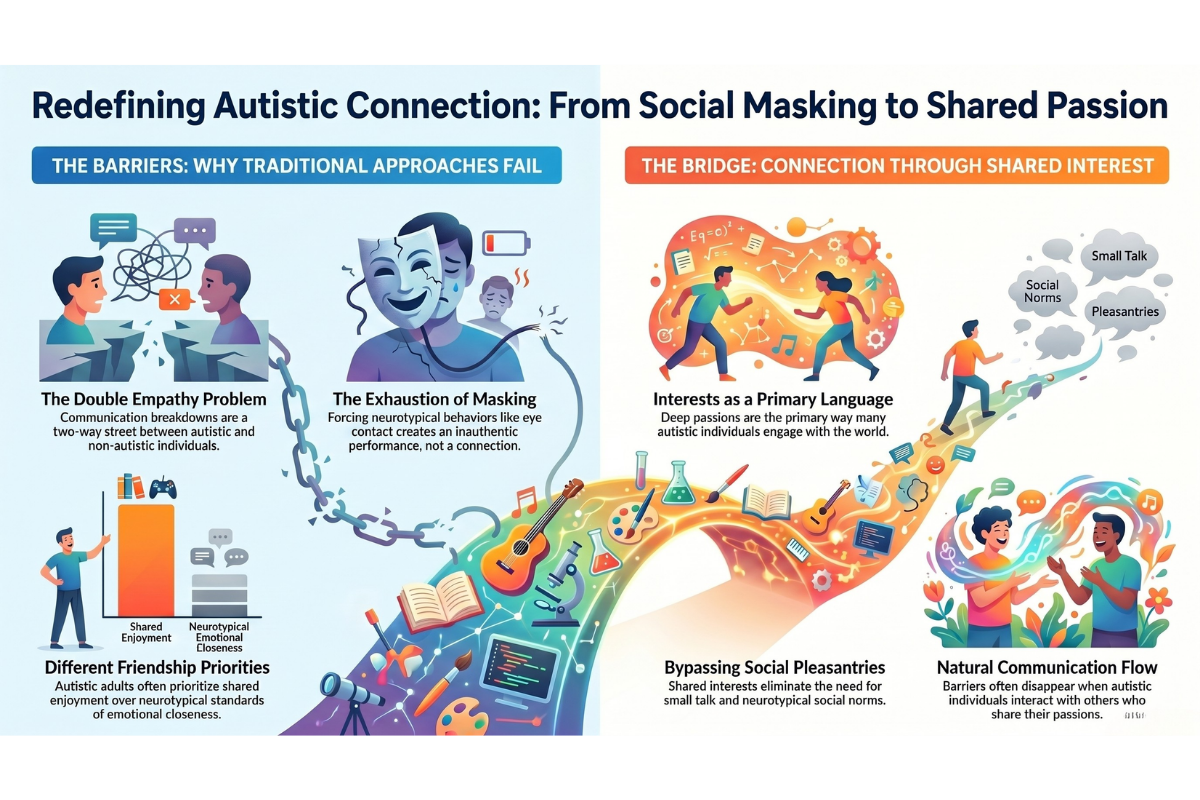
While well-intentioned, this approach often fails autistic adults. A 2025 scoping review in Frontiers in Psychiatry found that autistic adults generally prefer lower levels of emotional and physical closeness in their friendships compared to neurotypical adults, and they primarily view friendships as opportunities for shared enjoyment rather than emotional support. Teaching an autistic person to mimic neurotypical friendship patterns does not create genuine connection; it creates a performance.
This disconnect is explained by the “double empathy problem.” As outlined in Scientific American, communication breakdowns between autistic and non-autistic people are a two-way street. It is not just that autistic people struggle to understand neurotypical social cues; neurotypical people equally struggle to understand autistic communication. When autistic people interact with other neurodivergent individuals, these communication barriers often disappear.
Traditional social skills training places the entire burden of adaptation on the autistic individual. A more effective approach focuses on helping young adults find environments where their natural communication style is accepted and understood.
Finding Common Interests as the Foundation of Friendship
If small talk is not the path to connection, what is? For most autistic individuals, the answer is shared interests.
Autistic people often have deep, focused passions. These interests are not just hobbies; they are a primary way of engaging with and understanding the world. When two autistic individuals share a special interest, the need for neurotypical social pleasantries falls away. The interest itself becomes the bridge.
| Friendship Foundation | Neurotypical Approach | Autistic Approach |
|---|---|---|
| Initiation | Small talk, general inquiries about the other person’s day. | Direct conversation about a specific, shared topic of interest. |
| Maintenance | Frequent check-ins, emotional sharing, unstructured hangouts. | Scheduled activities centered around the shared interest, sharing information or resources. |
| Sign of Closeness | High levels of eye contact, physical touch, emotional vulnerability. | “Info-dumping” (sharing extensive knowledge), parallel play, comfortable silence. |
This interest-based approach is highly effective. It removes the anxiety of having to generate conversation out of thin air. The topic provides a safe, predictable structure for the interaction.
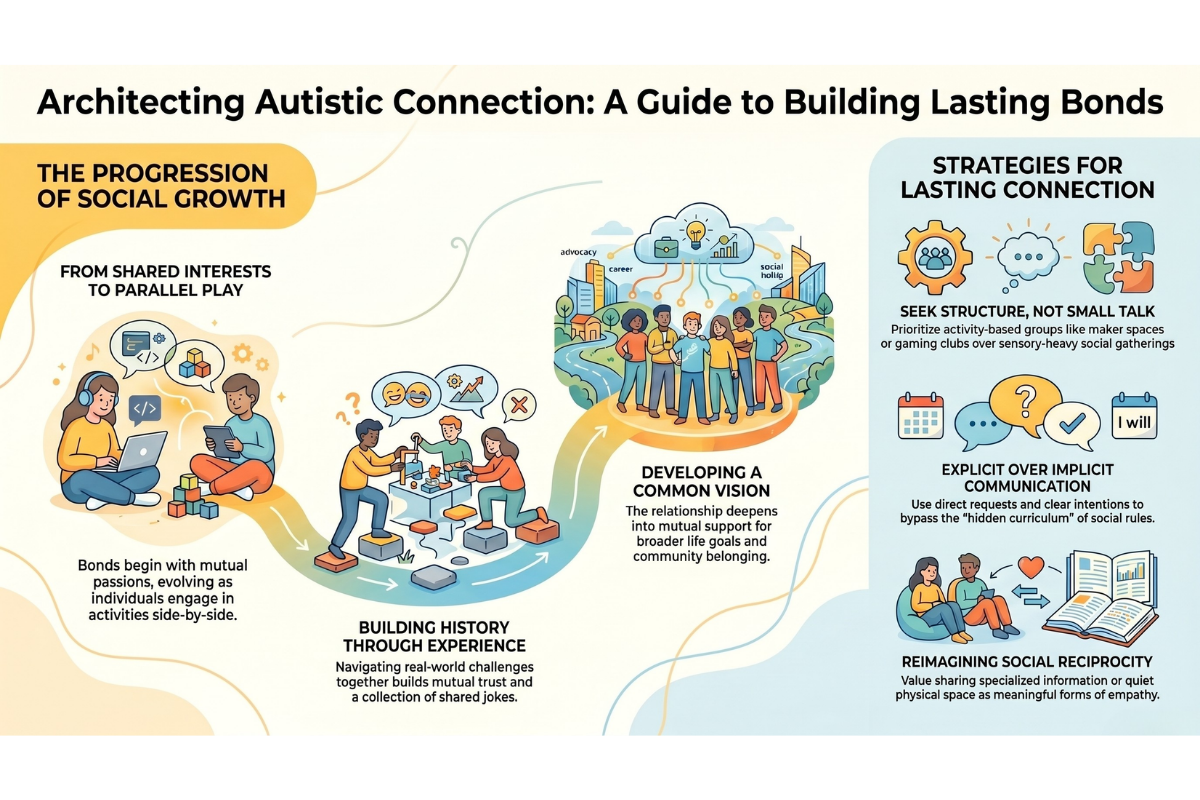
The Progression of Social Growth
Building a friendship is not a single event; it is a progression. For autistic young adults, this progression often follows a specific trajectory that moves from individual focus to shared community.
- Common Interest: The foundation. Two individuals discover they share a passion for a specific topic, such as video game design, historical costuming, or public transit systems.
- Common Direction: The individuals begin engaging with the interest together. They might attend a convention, collaborate on a project, or simply sit in the same room working on their respective tasks (parallel play).
- Common Experience: Through shared activities, they build a history together. They navigate challenges, share successes, and develop inside jokes related to their interest.
- Common Vision: The relationship deepens beyond the initial interest. They begin to support each other in broader life goals and develop a shared sense of community and belonging.
This progression allows trust to build gradually. It respects the individual’s need for predictability while gently expanding their social world.
Where to Meet Potential Friends
The most common question from parents and young adults is simply: “Where do I find friends?” The answer lies in seeking out interest-based communities rather than general social gatherings.
Unstructured environments like parties or bars are often sensory nightmares for autistic individuals. The loud music, unpredictable social dynamics, and expectation of small talk make it nearly impossible to form genuine connections.
Instead, young adults should look for structured, predictable environments centered around specific activities. These might include:
- Tabletop role-playing game groups (like Dungeons & Dragons)
- Maker spaces or community workshops
- Specialized academic or professional clubs
- Neurodiversity-affirming support groups
- Online forums dedicated to highly specific topics
In these settings, the activity provides a built-in script for interaction. The focus is on the task, which alleviates the pressure of direct social performance.
Initiating and Maintaining Friendships
Even in the right environment, initiating a friendship can be daunting. Autistic young adults often struggle with the “hidden curriculum” of social interaction: the unwritten rules about how often to text, when to invite someone over, and how to interpret ambiguous responses.
Clear, direct communication is the most effective strategy. Rather than relying on subtle hints, autistic individuals can benefit from explicitly stating their intentions. “I really enjoyed talking with you about this project. Would you like to meet up next week to work on it together?”
Maintaining the friendship requires understanding that neurodivergent relationships often look different from the outside. A friendship is not invalid simply because the individuals only communicate once a month, or because they prefer to interact via text rather than phone calls. The key is mutual agreement on the parameters of the relationship.
Understanding Reciprocity and Social Expectations
Reciprocity is a core component of any friendship, but it can be a source of confusion. In neurotypical relationships, reciprocity often involves a balanced exchange of emotional support and active listening. In autistic friendships, reciprocity might look like taking turns sharing extensive information about special interests, or simply sharing physical space without the demand for conversation.
Misunderstandings often arise when one person expects neurotypical reciprocity and the other provides autistic reciprocity. For example, an autistic person might express empathy by sharing a story about a time they experienced a similar situation. A neurotypical person might interpret this as making the conversation about themselves, rather than recognizing it as an attempt to connect.
Navigating these differences requires open dialogue. Friends must be willing to explicitly discuss their communication styles and clarify their intentions.
Navigating Conflict and Misunderstandings
Conflict is inevitable in any relationship. For autistic young adults, conflict is often triggered by misunderstandings rather than malice. Difficulty interpreting tone of voice, literal interpretations of figurative language, and differing sensory needs can all lead to friction.
When conflict occurs, the most effective approach is to step back from the emotional reaction and analyze the communication breakdown.
- Assume Positive Intent: Start from the assumption that the other person did not intend to cause harm.
- Clarify the Literal Meaning: Ask direct questions to ensure both parties understand exactly what was said and what was meant.
- Identify Sensory or Executive Triggers: Was the conflict exacerbated by a loud environment, fatigue, or a disruption in routine?
- Establish Clear Boundaries: Use the conflict as an opportunity to explicitly state needs and boundaries for future interactions.
Online vs. In-Person Friendships
The internet has revolutionized social connection for autistic individuals. Online friendships offer several distinct advantages. They remove the pressure of reading body language and making eye contact. They allow for asynchronous communication, giving the individual time to process information and formulate a response. And they provide access to highly specialized communities that might not exist locally.
For many autistic young adults, online friends are their closest and most supportive relationships. These connections are entirely valid and should be respected as genuine friendships.
However, in-person connections remain important for overall well-being. The goal is not to replace online friendships, but to use the skills and confidence gained online to facilitate local connections. Programs that blend structured in-person activities with clear communication guidelines can help bridge this gap.
The Role of Shared Experiences in Bonding
While shared interests are the spark that ignites a friendship, shared experiences are the fuel that sustains it. Going through a challenging or novel experience together creates a bond that cannot be replicated through conversation alone.
This is a core principle of the Meristem program. The 2025 Impact Report details how students participate in challenging field trips, such as American River rafting and navigating the Sierra College Makers Fair. These activities require students to step outside their comfort zones, rely on one another, and overcome obstacles as a group.
When young adults face a physical or logistical challenge together, they build mutual trust. They learn who they can rely on when things get difficult. These shared experiences provide a foundation of resilience that strengthens the friendship long after the activity is over.
How Group Programs Create Natural Friendship Opportunities
Effective transition programs recognize that friendships cannot be forced. Instead, they engineer environments where friendships can develop naturally.
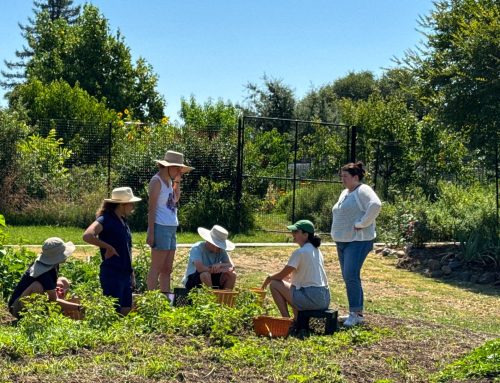
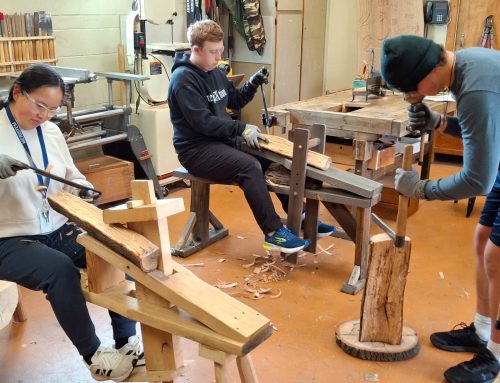
They achieve this by prioritizing structured, interest-based activities over traditional social skills classes. When students are working together in a culinary kitchen, building a project in a woodshop, or managing a shift at a student-run café, they are engaging in the exact type of parallel play and shared focus that facilitates autistic connection.
These programs also provide a crucial safety net. Staff are present not to dictate social interaction, but to help mediate misunderstandings and provide support when sensory or executive functioning challenges arise. This allows young adults to practice navigating complex social dynamics in an environment where failure is treated as a learning opportunity rather than a social catastrophe.
Neurodivergent Friendships vs. Neurotypical Friendships
It is vital to recognize that neurodivergent friendships are not “lesser” versions of neurotypical friendships. They are simply different.
Neurotypical friendships often prioritize frequent contact, emotional processing, and adherence to complex social etiquette. Neurodivergent friendships often prioritize shared passions, direct communication, and a high tolerance for differing sensory needs and communication styles.
When we stop measuring autistic friendships against a neurotypical rubric, we can begin to appreciate their unique strengths. Autistic friendships are often characterized by profound loyalty, a deep appreciation for authenticity, and a refreshing lack of social pretense.
Success Stories: From Isolation to Community
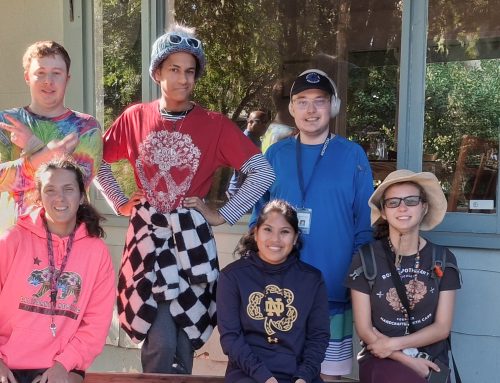
The transition from isolation to community is entirely possible with the right support. The Meristem 2025 Impact Report highlights the journey of students who enter the program feeling disconnected and overwhelmed, only to find their place within a supportive peer group.
Through participation in the Work Skills program, residential dorm living, and structured recreational activities, students learn to navigate the complexities of human connection. They discover that their intense interests are not liabilities, but assets that can draw like-minded people to them. They learn to advocate for their communication needs and to respect the needs of others.
Most importantly, they learn that they are not broken. They simply needed an environment that spoke their language.
Conclusion: Building a Life of Connection
Autism friendships require a paradigm shift. We must move away from the deficit model of social skills training and embrace an affirming approach that honors neurodivergent communication. By focusing on shared interests, providing structured environments for parallel engagement, and validating the unique dynamics of autistic relationships, we can help young adults build the meaningful connections they deserve.
Friendship is not a luxury; it is a fundamental human need. When autistic young adults are empowered to build relationships on their own terms, they do not just survive adulthood; they thrive in it.
Voices of Community Podcast
Join us for conversations with autistic adults, families, and professionals who are helping shape a more inclusive world. Each episode shares personal stories, insights, and perspectives from across the Meristem community and beyond.