Key Takeaways: Daily Living Skills for Autistic Adults
Mastering daily living skills is the foundation of true independence for autistic adults. This guide moves beyond basic self-care to focus on five advanced skills that are critical for navigating the complexities of adult life. For a comprehensive overview of the journey to independence, see our Complete Guide to Independence for Autistic Young Adults.
The 5 Essential Daily Living Skills Covered:
- Advanced Cooking & Nutrition: Moving beyond simple meals to independent meal planning, grocery shopping, and understanding nutrition for long-term health.
- Financial Literacy & Budgeting: The ability to manage a bank account, create and stick to a budget, pay bills on time, and avoid common financial scams.
- Healthcare Self-Advocacy: The skill of scheduling doctor’s appointments, communicating symptoms clearly, and managing one’s own medical care.
- Home Maintenance & Repair: Knowing how to perform basic household repairs, when to call for professional help, and how to maintain a safe living environment.
- Community Safety & Awareness: The ability to navigate public spaces safely, recognize potential dangers, and know how to seek help from appropriate sources.
Beyond the Basics: 5 Advanced Daily Living Skills for Autistic Adults
When we talk about “daily living skills” for autistic adults, it’s easy to get stuck on the basics: showering, brushing teeth, getting dressed. While these personal hygiene routines are the non-negotiable foundation of self-care, true independence requires a much broader and more complex set of abilities. It’s about moving from being cared for to being the CEO of your own life.
Once the fundamentals are in place, the real work begins. This is where we build the skills that allow an autistic young adult to not just survive on their own, but to thrive. It’s about mastering the systems of adult life: money, health, home, and community.
In our Complete Guide to Independence for Autistic Young Adults, we explore the full spectrum of the journey to autonomy. Here, we will dive deeper into five of the most critical—and often overlooked—daily living skills that form the bridge to real-world independence.

1. Advanced Cooking & Nutrition
Knowing how to make a sandwich is a start. Knowing how to plan, shop for, and cook a week’s worth of nutritious meals is a life-changing skill. This moves a young adult from being passively fed to actively managing their own health and budget.
Why It’s a Critical Skill: Poor nutrition can impact mood, energy levels, and overall physical health. Relying on takeout or pre-packaged meals is not only unhealthy but also incredibly expensive. The Organization for Autism Research notes that cooking skills are essential for a healthy lifestyle and can reduce the risk of health problems like obesity and diabetes, which are prevalent in the autistic population.
How to Build This Skill:
- Start with Meal Planning: Don’t just hand them a recipe. Sit down together once a week and plan out three to four simple dinners. Start with their favorite meals to build motivation. Create a master list of 5-10 meals they enjoy and can learn to cook.
- Master the Grocery Store: Turn the meal plan into a grocery list, organized by store section (produce, dairy, meat, etc.). Go to the store together, but have them lead. Task them with finding items, comparing prices, and checking expiration dates. This builds executive function and consumer skills.
- Teach Foundational Cooking Techniques: Instead of just teaching recipes, teach techniques. Focus on skills like sautéing vegetables, roasting chicken, boiling pasta, and making a simple sauce. Once they master a technique, they can apply it to many different recipes.
- Introduce Nutritional Concepts: Use visual aids to teach the concept of a balanced plate: half vegetables, a quarter protein, and a quarter carbohydrates. You don’t need to be a nutritionist; focus on simple, actionable rules like “eat a vegetable with every dinner” or “choose water over soda.”
| Skill Level | Example Task |
|---|---|
| Beginner | Follows a 3-step recipe with supervision (e.g., scrambled eggs). |
| Intermediate | Plans and cooks a familiar meal independently. |
| Advanced | Plans a week of meals, creates a grocery list, and cooks 3-4 times per week. |
2. Financial Literacy & Budgeting
Nothing can derail independence faster than a financial crisis. The ability to manage money is not intuitive; it is a skill that must be explicitly taught and practiced. Financial literacy is about understanding the entire system of earning, spending, saving, and protecting money.
Why It’s a Critical Skill: Autistic adults can be particularly vulnerable to financial exploitation, debt, and poor financial decisions due to challenges with executive function and abstract thinking. Research shows that autistic adults demonstrate lower financial literacy and lack confidence in financial knowledge compared to their neurotypical peers, highlighting the need for targeted training.
How to Build This Skill:
- Open a Supported Bank Account: Start with a checking and savings account that you have access to as a parent or guardian. This allows you to monitor activity and provide support while they learn.
- Make Budgeting Visual and Concrete: Abstract numbers are difficult. Use a budgeting app with clear visual categories (like Mint or YNAB) or a simple envelope system. At the beginning of the month, allocate cash into envelopes labeled “Groceries,” “Fun,” “Transportation,” etc. When the envelope is empty, the spending in that category stops.
- Automate Everything Possible: Set up automatic bill pay for recurring expenses like rent, utilities, and phone bills. Set up an automatic transfer from checking to savings each month, even if it’s just a small amount. This reduces the executive function load of remembering due dates.
- Teach Scam Recognition: Explicitly teach the signs of common scams. Create social stories or role-play scenarios. For example: “If someone calls and says you owe the IRS money and must pay with gift cards, what do you do?” The answer is always: “Hang up and tell a trusted adult.”
3. Healthcare Self-Advocacy
As a child, you managed every doctor’s appointment, prescription, and medical concern. For an autistic young adult to be truly independent, they must learn to manage their own health. This is a complex skill that involves executive function, communication, and self-advocacy.
Why It’s a Critical Skill: Autistic adults often have co-occurring health conditions and may struggle to communicate their symptoms to doctors, leading to misdiagnosis or inadequate care. Teaching self-advocacy skills is crucial for ensuring autistic individuals receive appropriate healthcare throughout their lives.
How to Build This Skill:
- Create a Medical Binder: Use a simple three-ring binder to keep all medical information in one place. Include sections for doctors’ contact information, medication lists (with dosage and purpose), allergy information, and a summary of their medical history.
- Practice Scheduling Appointments: Start by having them sit with you while you make the call. Then, have them make the call while you sit with them and prompt them. Use a script to help them remember what to say. Eventually, they can do it on their own.
- Use a Symptom Tracker: Before a doctor’s appointment, help them write down their symptoms, when they started, and what makes them better or worse. This provides a concrete tool to use during the appointment and reduces the anxiety of having to remember everything on the spot.
- Role-Play Doctor Visits: Practice the entire sequence of a doctor’s visit, from checking in at the front desk to describing symptoms to the doctor and asking questions. This desensitizes them to the process and builds confidence.
4. Home Maintenance & Repair
A leaky faucet, a clogged toilet, a smoke detector with a dying battery—these are small problems that can become major crises if not addressed. Knowing how to handle basic home maintenance is a key part of independent living.
Why It’s a Critical Skill: A lack of basic maintenance skills can lead to unsafe living conditions, expensive repair bills, and conflicts with landlords or roommates. It’s about understanding that a home is a system that requires regular upkeep.
How to Build This Skill:
- Create a “House Manual”: Just like the medical binder, create a manual for their living space. Include information on where the circuit breaker and water shut-off valves are, the model numbers of major appliances, and the contact information for the landlord or trusted repair services.
- Teach the “Top 5” Basic Repairs: Focus on the most common and essential repairs. A great starting list includes:
- How to unclog a toilet with a plunger.
- How to change a lightbulb.
- How to test and change the batteries in a smoke detector.
- How to reset a tripped circuit breaker.
- How to shut off the water to a single toilet or sink.
- Distinguish “DIY” from “Call for Help”: Create a clear, visual chart that helps them decide when to tackle a problem themselves and when to call for help. For example, a clogged toilet is a “DIY” task, but a major leak is a “Call for Help” situation.
- Involve Them in All Home Repairs: The next time you have a repair person over, have your young adult shadow them. Encourage them to ask questions. This demystifies the process and teaches them who to call for different types of problems.
5. Community Safety & Awareness
Navigating the community safely requires a level of social understanding and situational awareness that can be challenging for autistic individuals. This skill is about recognizing potential dangers and knowing how to respond.
Why It’s a Critical Skill: Autistic individuals can be more vulnerable to crime, exploitation, and accidents due to difficulties with interpreting social cues and predicting others’ intentions. Teaching concrete safety rules is essential for building confidence in community participation.
How to Build This Skill:
- Define “Trusted Strangers”: The concept of “stranger danger” is too abstract. Instead, define a list of “trusted strangers” they can ask for help: police officers in uniform, firefighters, store clerks with name tags, and librarians.
- Practice “What If” Scenarios: Regularly role-play different safety scenarios. For example: “What if a stranger offers you a ride?” “What if you get lost on the bus?” “What if someone you don’t know comes to the door?” Practice the correct response until it becomes automatic.
- Teach Phone Safety: Ensure their phone is always charged and that they have key contacts (including you and a trusted friend or neighbor) saved as favorites. Teach them how to use location-sharing features and how to call 911.
- Develop a “Go-To” Excuse: Equip them with a simple, all-purpose excuse to get out of uncomfortable situations. Something like, “I have to go, my mom is expecting me,” works for all ages and requires no further explanation.
Conclusion: Building a Life, Not Just a Skillset
Teaching these five advanced daily living skills is about more than just checking boxes. It’s about empowering an autistic young adult with the competence and confidence to manage their own life. Each skill they master is a building block of self-esteem and a step toward a future of greater independence and fulfillment.
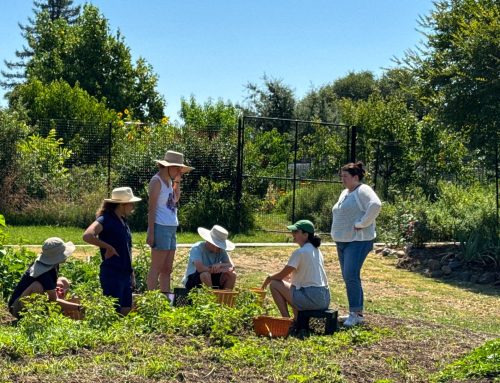
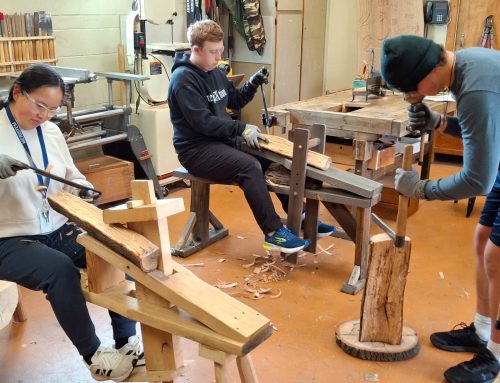
At Meristem, our programs are designed to build these skills through real-world, hands-on experience. We believe that every young adult has the capacity for growth, and our job is to provide the right support and opportunities to make that growth a reality.
Voices of Community Podcast
Join us for conversations with autistic adults, families, and professionals who are helping shape a more inclusive world. Each episode shares personal stories, insights, and perspectives from across the Meristem community and beyond.