The Meristem Method: Growth Through Experience

A comprehensive, research-based approach to supporting young adults with autism and neurodiversity in building independence, confidence, and real-world skills.

The Meristem Method: Growth Through Experience

A comprehensive, research-based approach to supporting young adults with autism and neurodiversity in building independence, confidence, and real-world skills.

The Meristem Method is rooted in the principle of Experiential Learning—”Learning by Doing.” Through repeated immersion in meaningful experiences and guided reflection, our clients gain insight into their actions, unlock their potential, and build a solid foundation for lifelong growth.

What Makes the Meristem Method Different

The Meristem Method represents a unique integration of evidence-based educational philosophies and therapeutic approaches, all tailored to meet the individual needs of each client. Rather than applying a one-size-fits-all model, our instructors draw from a comprehensive toolkit of strategies, matching the right approach to each person’s learning style, interests, and developmental stage.

Our method focuses on both hard skills—the practical abilities needed for daily living—and soft skills—the social and emotional capacities that enable meaningful relationships and community participation. This dual focus ensures that our clients don’t just learn isolated tasks; they develop the integrated competencies needed to navigate the complexities of adult life.

The Five Core Areas of Development

At Meristem, growth happens across five interconnected domains. Each area addresses specific developmental needs while contributing to overall independence and self-sufficiency.
Life Skills & Social Skills

Navigating public transportation, understanding health insurance, recognizing safe/unsafe situations, self-advocacy, accessing community resources

Therapeutic Movement

Integrating primitive reflexes, developing mindfulness, understanding the connection between body and emotions, building regulation tools

Land & Nature Immersion

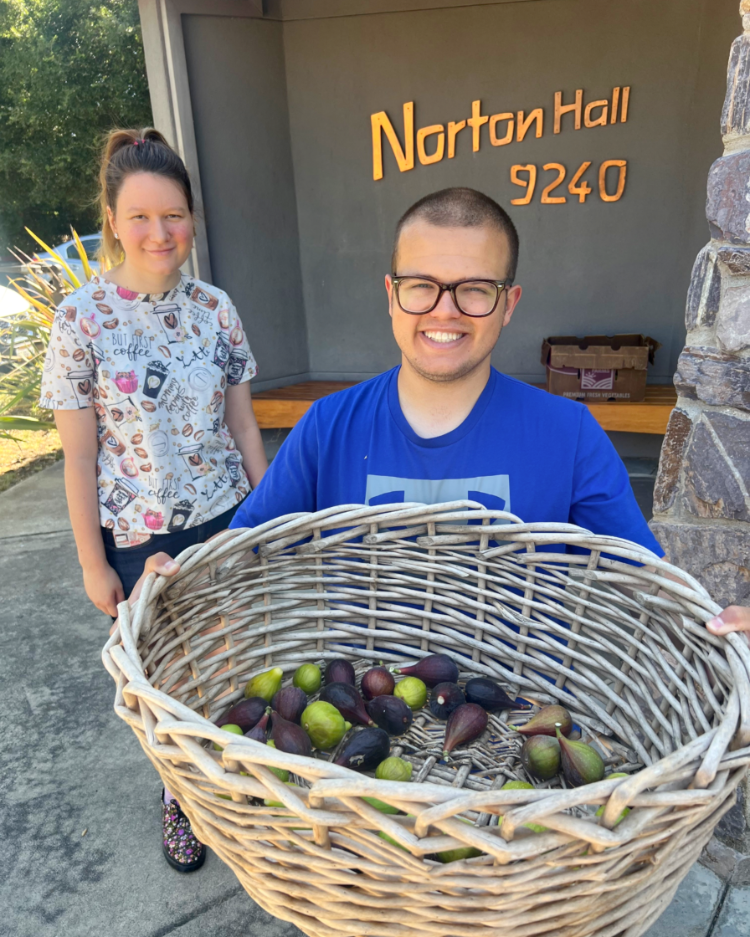
Redeveloping sensory filters, learning to regulate emotions through nature connection, building resilience through outdoor work

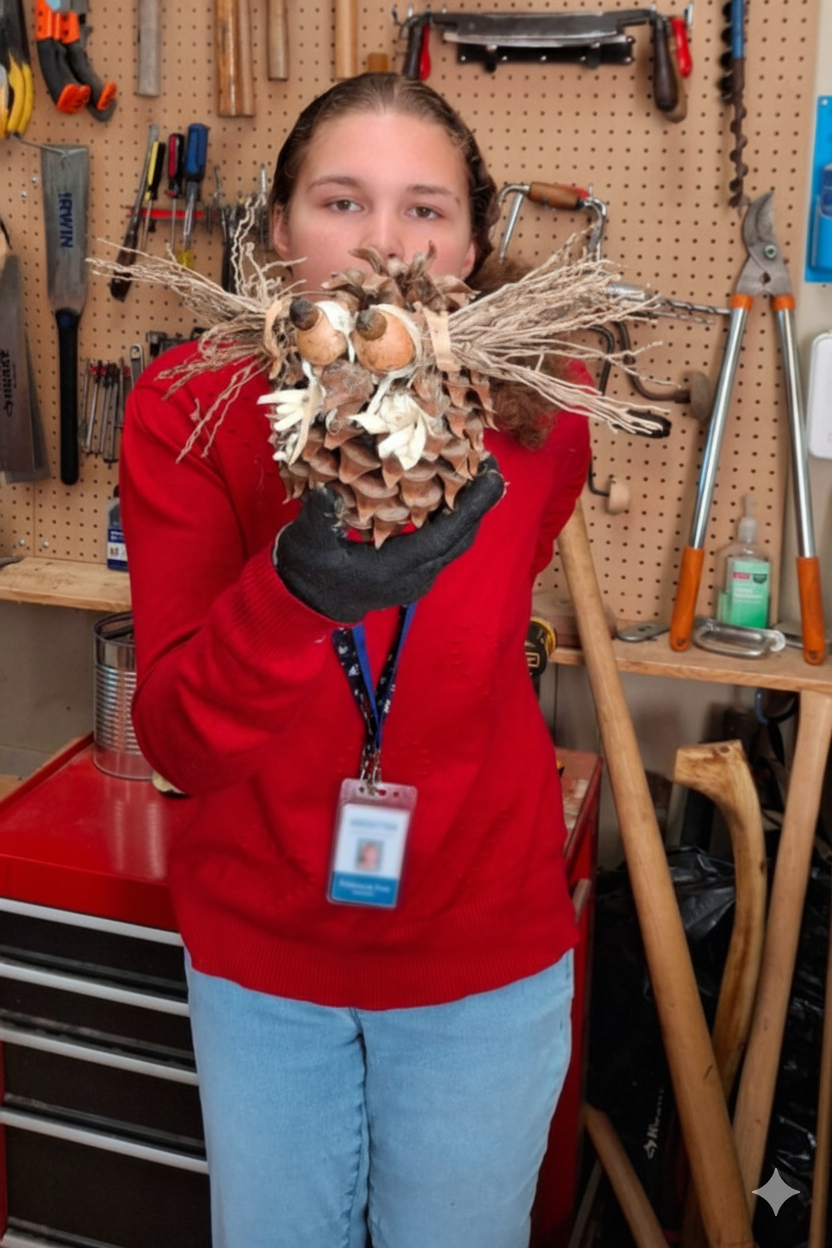
Craft & Resistance Training

Working through challenges, developing fine and gross motor skills, learning to persist through difficulty, applying problem-solving to social situations

Self-Leadership &
Executive
Functioning

Planning, organization, and community integration Goal-setting, time management, decision-making, applying learned skills in real-world contexts

Building the Foundation for Independent, Self-Directed Lives

Our Educational Philosophy

The Meristem Method weaves together multiple educational philosophies, creating a flexible, responsive approach that meets each client where they are. Our instructors are trained in a full spectrum of evidence-based strategies and select the approaches that best support each individual’s growth.

Foundational Philosophies

Three cornerstone educational approaches form the foundation of our daily rhythms and session structures:

Reggio Emilia helps us get to know the individual. We observe each client carefully, document their interests and learning patterns, and design provocations and materials based on what we discover. This approach ensures that learning is always relevant and engaging.

Montessori guides how we structure the environment. We prepare materials and spaces organized by skill level, introduce lessons when the client is ready, and support independent practice with individualized guidance. Mastery comes through repetition and progression at each person’s own pace.

Waldorf shapes our content and curriculum progressions. We establish predictable daily and weekly rhythms, teach core concepts through storytelling, movement, and art, and reinforce learning through hands-on practice and repetition.

Adaptive Teaching Strategies

Beyond these foundational approaches, we employ a range of specialized strategies tailored to each client’s needs:

Behavior Skills Training

provides a structured pathway for learning new skills through instruction, modeling, rehearsal, and feedback. Using fidelity checklists, we break down complex skills into manageable steps and support clients in building fluency and confidence

Social Learning Theory

leverages modeling and imitation. We make skills salient through clear demonstrations, support retention through rehearsal and note-taking, provide opportunities for practice with feedback, and offer reinforcement to sustain motivation.

Behaviorism

techniques like forward and backward chaining help clients master complex tasks by breaking them into ordered steps. We teach and reinforce each step sequentially, gradually building toward fluent performance of the full sequence

Inquiry-Based Learning

encourages clients to pose questions, plan investigations, analyze evidence, and construct their own understanding. This approach builds critical thinking and problem-solving skills


Constructivism

through scaffolding meets clients at their current level of understanding and gradually withdraws support as competence increases. We assess prior knowledge, provide structured support, engage in joint activities, and transition toward independent performance

Humanism

honors each client’s autonomy through self-directed learning contracts. Clients identify their own goals and interests, co-create learning plans with instructors, and engage in reflection and self-assessment

What Makes the Meristem Method Different

Individualized Assessment & Planning

Every client begins with comprehensive observation and assessment. We identify their current skills, interests, challenges, and goals. This information shapes their Individual Support Plan (ISP), a living document that evolves as they progress

Flexible, Responsive Instruction

Our instructors don’t follow a rigid script, they draw from their full toolkit of strategies, combining approaches as needed. If a client wants to make friends but struggles with social initiation, we might use inquiry-based learning to explore their current approach, modeling and imitation to demonstrate effective conversation starters, behavior skills training to practice those skills, and experiential learning to apply them in real social contexts

The Five-Stage Learning Cycle

Growth at Meristem follows a cyclical process that builds executive function and self-awareness:
Articulate Goals
Clients identify what they want to achieve
Practice in Class
They engage in structured learning experiences
Review & Reflect on Results
They examine what worked and what didn’t
Revise Goal
They adjust their approach based on insights gained
Repeat
They continue the cycle, building mastery over time
This cycle mirrors the natural process of adult learning and problem-solving, preparing clients for lifelong growth.
Real-World Application

Skills aren’t confined to the classroom. Our Self-Leadership program specifically focuses on community integration, where clients practice and apply what they’ve learned in authentic settings. Whether it’s navigating public transportation, advocating at a medical appointment, or managing a budget, our clients learn by doing—with support that fades as independence grows.

The Five Key Goals

Every element of the Meristem Method serves five overarching goals that guide our work:

  1. Prepare to enter the workforce or higher education – Building the skills, confidence, and self-knowledge needed for employment or continued learning
  2. Transition to increased independence – Developing the capacity to live with greater autonomy, whether in supported living arrangements or independently
  3. Master basic life skills – Gaining competence in daily living tasks, from personal care to household management
  4. Enhance social capacity – Building the ability to form relationships, navigate social situations, and participate meaningfully in community life
  5. Build a strong sense of self – Developing self-awareness, self-advocacy, and confidence in one’s identity and abilities

Why Resistance Matters

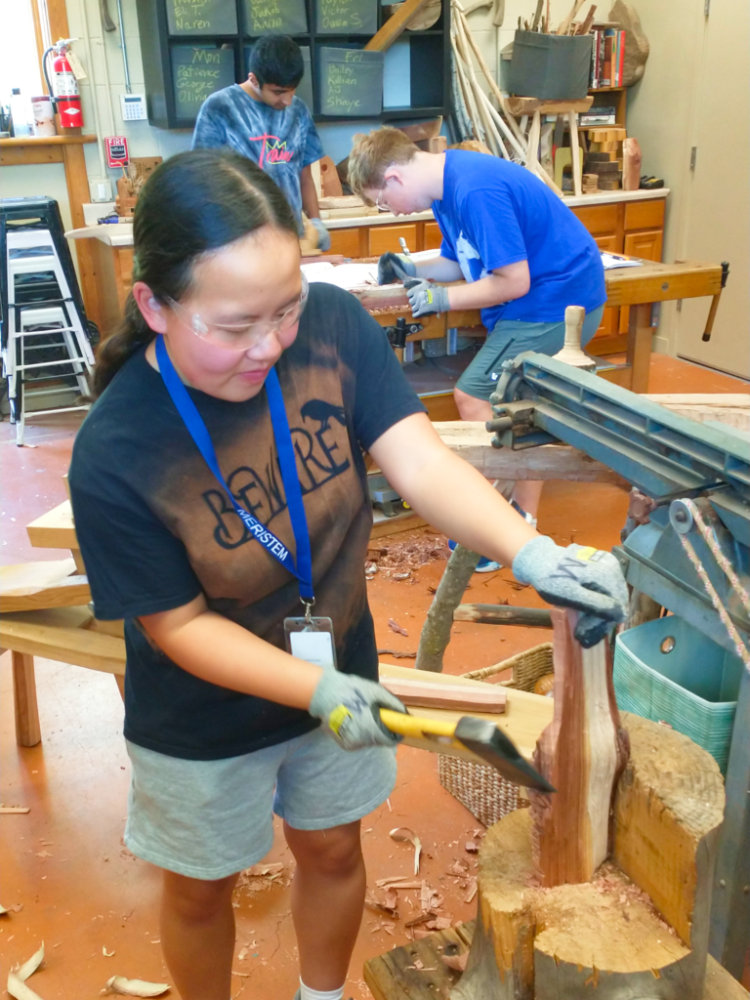
One of the unique aspects of the Meristem Method is our intentional use of resistance—not as punishment, but as a tool for growth. In our Craft program, clients work with materials and projects that present real challenges. They experience frustration, problem-solve through difficulties, and ultimately succeed through persistence.

This experience of working through resistance in a concrete, physical domain translates directly to the social domain. When a client learns to persist through the challenge of a difficult woodworking project, they develop the same resilience needed to navigate a difficult conversation or recover from a social misstep. Resistance, when properly supported, builds grit, problem-solving skills, and confidence.

Tracking Progress & Adjusting Support

Growth at Meristem is never assumed—it’s measured, documented, and celebrated. Each client’s Individual Support Plan (ISP) serves as both a roadmap and a record. We track progress across all five core areas, adjust goals in response to achievements and challenges, and maintain ongoing communication with families and referring professionals.

Regular reviews ensure that our approach remains responsive to each client’s evolving needs. As skills develop and confidence grows, we adjust the level and type of support, always moving toward greater independence.


Ready to Learn More About the Meristem Method?

The Meristem Method offers a proven pathway to independence, confidence, and meaningful growth for young adults with autism and neurodiversity. Whether you’re a parent exploring options for your young adult, a regional center representative seeking quality programs, or an educator looking for transition support, we’re here to help.