An Overview of Your Guide to Autism Transition Planning
This guide provides a comprehensive roadmap for families of autistic young adults. We will explore the critical journey from high school to a fulfilling adult life. You will learn why starting early is essential. We will break down the five key domains of transition planning. These are education, employment, independent living, social life, and healthcare. We will also cover how to create a person-centered plan that honors your child’s unique strengths and goals. This guide details how to navigate adult services, understand funding options like Medicaid waivers, and choose the right programs. We will also discuss important legal considerations, such as guardianship and supported decision-making. Finally, we offer a practical timeline and checklist to keep you on track. This ensures a smoother, more confident transition for your entire family.
The Transition Cliff: A Critical Moment for Autistic Young Adults
The end of high school is a celebrated milestone. For families of autistic young adults, it can also be a time of great uncertainty. This period is often called the “transition cliff.” It marks the abrupt end of federally mandated special education services provided under the Individuals with Disabilities Education Act (IDEA). Once a student receives their diploma or ages out of the school system, typically between 18 and 21, the structured support system they have known for years disappears. This can feel like stepping off a cliff.
Suddenly, the daily rhythm of school, the built-in social opportunities, and the dedicated team of educators and therapists are gone. Families are left to navigate a complex and often fragmented system of adult services. The statistics paint a stark picture. Research from the A.J. Drexel Autism Institute shows that many autistic young adults struggle after high school, facing higher rates of unemployment and social isolation. A significant number have no regular daytime activities. This is not due to a lack of ability or desire. It is often due to the sudden drop-off in support. Understanding the transition cliff is the first step in preventing it. With proactive planning, you can build a bridge to a successful and independent adult life.
Why Transition Planning Must Start Early
To avoid the transition cliff, planning must begin long before the final school bell rings. The Individuals with Disabilities Education Act (IDEA) requires that a formal transition plan be included in a student’s Individualized Education Program (IEP) by the time they turn 16. However, many experts and families recommend starting the process even earlier, around age 14. There are good reasons for this early start.
Starting early provides the gift of time. It allows for a more thoughtful and thorough exploration of the young adult’s interests, strengths, and needs. It gives you time to research different programs, understand complex funding systems, and get on waiting lists for services, which can sometimes be years long. An early start also allows the young adult to be an active participant in their own future. They can try new experiences, develop self-advocacy skills, and build a vision for their life after high school. This gradual, multi-year process reduces stress and anxiety for everyone involved. It transforms the daunting task of transition into a manageable and empowering journey of discovery.
The Five Domains of Transition: A Holistic Framework
Effective autism transition planning is a holistic process. It addresses every facet of adult life. To ensure a comprehensive plan, it is helpful to think in terms of five interconnected domains. These domains provide a framework for setting goals and identifying the skills and supports needed to achieve them.
| Domain | Description | Key Goals |
|---|---|---|
| Education & Vocation | This domain focuses on post-secondary learning and career development. It explores what comes after high school, whether it is college, vocational training, or direct entry into the workforce. | Identify career interests and aptitudes. Explore college programs with disability support services. Find vocational training or trade schools. Develop job-seeking skills like resume writing and interviewing. |
| Independent Living | This domain covers the practical skills needed for daily life. It addresses where the young adult will live and how they will manage their day-to-day responsibilities. | Learn household management skills like cooking, cleaning, and laundry. Develop financial literacy, including budgeting and banking. Master personal safety and community navigation. Explore various housing options. |
| Social & Recreation | This domain focuses on building and maintaining a rich social life. It is about finding community, making friends, and engaging in meaningful leisure activities. | Identify hobbies and interests. Find clubs, groups, or classes to meet like-minded people. Develop social communication skills. Learn how to plan and initiate social outings. |
| Healthcare | This domain involves managing one’s own health and wellness. It is about transitioning from pediatric to adult medical care and taking ownership of health-related decisions. | Understand personal medical history and needs. Learn how to schedule appointments and communicate with doctors. Manage medications independently. Develop healthy habits related to diet, exercise, and sleep. |
| Self-Advocacy & Legal | This domain focuses on understanding one’s rights and responsibilities. It involves learning to speak up for oneself and making important legal decisions. | Understand one’s disability and how to request accommodations. Learn about rights under the Americans with Disabilities Act (ADA). Make decisions about guardianship and supported decision-making. |

Creating a Comprehensive Transition Plan
A successful transition is built on a detailed and personalized plan. This plan acts as a living document, guiding your family’s decisions and actions over several years. It should be comprehensive, person-centered, and flexible enough to adapt as your young adult grows and changes.
Person-Centered Planning: The Heart of the Process
At the core of any effective transition plan is the principle of person-centered planning. This approach puts the autistic young adult at the very center of the process. It is a shift away from a system-focused model, which asks, “What services are available?” to a person-focused model, which asks, “What does this individual want for their life, and how can we support that vision?”
Person-centered planning is a collaborative effort. It brings together the young adult, their family, educators, therapists, and other trusted individuals to create a shared vision for the future. The process is built on a foundation of respect for the individual’s desires, preferences, strengths, and goals. It is an asset-based approach, focusing on what the person can do, not what they cannot. Several established tools can facilitate this process, such as Charting the LifeCourse and PATH (Planning Alternative Tomorrows with Hope). These frameworks help to organize discussions, identify strengths, and map out a clear path forward.
Assessing Current Skills and Future Goals
Before you can plan for the future, you need a clear understanding of the present. Assessments are a critical part of transition planning, but they are not “tests” in the traditional sense. There are no right or wrong answers. Instead, they are tools for gathering information about a young adult’s strengths, preferences, interests, and needs. This information provides the baseline for setting realistic and meaningful goals.
Assessments should be age-appropriate and cover all five domains of transition. They can range from informal interviews and observations to more formal, standardized tools. The school is required to conduct transition assessments as part of the IEP process. However, families can also seek out independent assessments. A valuable tool is the Community-Based Skills Assessment, which can be used starting at age 12 to evaluate a wide range of practical life skills. The goal of these assessments is to create a detailed picture of the young adult’s current abilities and to identify the specific skills they need to develop to achieve their long-term vision.
Understanding Adult Services: A New Landscape
The world of adult services is vastly different from the school-based system. Entitlement ends, and eligibility begins. This means that services are not guaranteed. Families must actively seek them out, prove eligibility, and often wait for funding to become available. Understanding this new landscape is crucial for a smooth transition.
Regional Center Services and Eligibility
In many states, like California, Regional Centers are the entry point for receiving services for developmental disabilities. These nonprofit organizations are contracted by the state to coordinate and deliver services. To be eligible, an individual must have a qualifying developmental disability, such as autism, that began before their 18th birthday and is expected to continue indefinitely. Once eligibility is established, the Regional Center will work with the individual and their family to develop an Individual Program Plan (IPP). The IPP outlines the person’s goals and the services and supports the Regional Center will provide to help them achieve those goals. These services can include vocational training, supported living services, behavioral support, and more.
Funding Options: Navigating the Financial Maze
Funding for adult services comes from a variety of sources. It is a complex maze that can be challenging to navigate. The most significant source of funding is often Medicaid. Through Home and Community-Based Services (HCBS) Waivers, states can use Medicaid funds to provide a wide range of supports that allow individuals to live in the community rather than in institutions. These waivers are a privilege, not a right, and waiting lists can be very long. It is essential to apply for these waivers as early as possible.
Another critical source of financial support is the Social Security Administration (SSA). Supplemental Security Income (SSI) provides monthly payments to individuals with disabilities who have limited income and resources. Social Security Disability Insurance (SSDI) is available to adults who have a disability that began before age 22 and have a parent who is deceased or receiving retirement or disability benefits. Families may also need to consider their own resources and explore options like ABLE accounts, which are tax-advantaged savings accounts for individuals with disabilities.
Choosing the Right Program or Service Provider
With a plan in place and a basic understanding of the service system, the next step is to find the right program or provider to help implement that plan. This is a deeply personal decision that depends on the young adult’s specific needs, goals, and learning style. There is no single “best” program. The right fit is the one that aligns with your family’s values and provides the specific supports your young adult needs to thrive.
When evaluating programs, consider their philosophy and approach. Do they use a person-centered model? Do they have experience working with autistic adults? What is their track record of success? It is also important to look at the environment. Is it supportive and inclusive? Does it offer opportunities for real-world practice? Visit the program, talk to staff, and if possible, speak with other families who have used their services. Look for a program that sees your young adult’s potential and has a clear methodology for helping them achieve it.
The Role of Specialized Programs in Transition
For many autistic young adults, a specialized transition program can be the bridge between high school and a successful adult life. These programs are designed specifically to address the unique challenges and strengths of this population. They provide a structured, supportive environment where young adults can continue to learn and grow after they leave the school system.
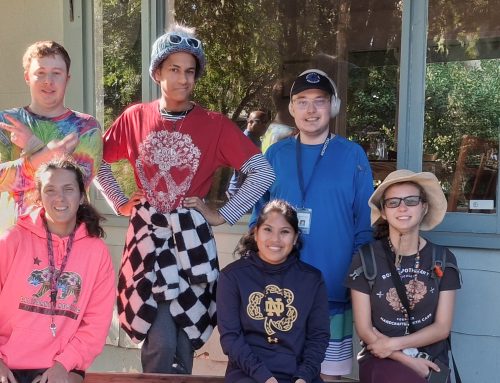
Specialized programs offer a comprehensive curriculum that often covers all five domains of transition. They provide explicit instruction in life skills, social skills, and executive functioning. They also offer vocational training and opportunities for community integration. One of the most significant benefits of these programs is the peer group. They provide a community of like-minded individuals where young adults can form friendships, practice social skills, and feel a sense of belonging. A high-quality specialized program can be a powerful catalyst for growth, providing the intensive, targeted support that many young adults need to launch into a life of greater independence and fulfillment.
Legal Considerations: Planning for Adulthood
When a child turns 18, they are legally considered an adult. This means they have the right to make their own decisions about their life, from medical care to finances. For many autistic young adults, this transition to legal adulthood requires careful planning. Families must consider how to best support their young adult in making important life decisions while respecting their autonomy.
For decades, the default option was guardianship or conservatorship. In this legal arrangement, a court appoints a guardian to make decisions on behalf of the individual. While this can be necessary in some cases, it also removes the individual’s legal right to make their own choices. Today, there is a growing movement towards less restrictive alternatives. Supported Decision-Making (SDM) is a model that allows the individual to retain their legal rights while choosing trusted supporters to help them understand, evaluate, and communicate their decisions. SDM is a voluntary agreement that empowers the individual and honors their right to self-determination. It is a critical conversation for families to have as their young adult approaches the age of majority.

Emotional Preparation for Families: A Journey of Its Own
The transition to adulthood is not just a logistical challenge. It is also an emotional journey for the entire family. For parents, it can be a time of mixed emotions. There is pride in seeing your child grow up, but also anxiety about their future. There is a desire to protect them, but also a recognition that you need to let go. This process of shifting from a primary caregiver to a supportive guide can be difficult.
It is important for parents to acknowledge their own feelings and to seek support for themselves. Connect with other parents who are going through or have gone through the same process. Find a therapist or counselor who can help you navigate the emotional complexities of this transition. Remember that your role is changing, not ending. Your young adult will still need your love, support, and guidance, but in a different way. By preparing yourself emotionally, you can be a more effective and supportive partner for your young adult on their journey to independence.
Common Pitfalls and How to Avoid Them
The path to a successful transition is not always smooth. There are common pitfalls that can derail even the best-laid plans. By being aware of these potential challenges, you can take steps to avoid them.
- Starting Too Late: The single biggest mistake is waiting until the last year of high school to start planning. This creates a crisis situation and limits your options. Avoid this by starting the conversation around age 14.
- Lack of Person-Centered Focus: A plan that does not reflect the young adult’s own goals and interests is unlikely to succeed. Avoid this by making the young adult the leader of their own transition team.
- Ignoring the Waiting Lists: Many adult services, especially housing and Medicaid waivers, have long waiting lists. Avoid this by getting on those lists as early as possible, even if you are not sure you will need the service.
- Focusing Only on Academics or Vocation: A successful life is about more than just a job or a degree. Avoid this by creating a holistic plan that addresses all five domains of transition.
- Failing to Prepare Emotionally: The emotional toll on families can be significant. Avoid this by seeking support for yourself and acknowledging the emotional journey of letting go.
Timeline and Checklist for Transition Planning
This timeline provides a general guide. Your child’s individual needs and your state’s specific laws and services will shape your unique journey.
| Column 1 | Column 2 | Column 3 |
|---|---|---|
| 14-16 | Exploration & Foundation | ☐ Begin transition discussions as a family.
☐ Ensure transition planning is part of the IEP. ☐ Explore interests, strengths, and preferences. ☐ Begin person-centered planning. ☐ Research adult service systems and funding options. ☐ Get on waiting lists for Medicaid waivers. |
| 16-18 | Skill Building & Connection | ☐ Focus on developing independent living skills.
☐ Explore vocational interests through volunteering or part-time jobs. ☐ Visit potential post-secondary programs or day programs. ☐ Connect with your state’s vocational rehabilitation agency. ☐ Discuss legal options like guardianship and supported decision-making. |
| 18-21 | Implementation & Launch | ☐ Apply for SSI/SSDI if eligible.
☐ Finalize post-high school program choice. ☐ Complete all necessary paperwork for adult services. ☐ Establish adult medical and dental providers. ☐ Solidify legal arrangements (e.g., Supported Decision-Making agreement). |
| 21+ | Ongoing Support & Adaptation | ☐ Regularly review and update the person-centered plan.
☐ Continue to build a community of support. ☐ Encourage lifelong learning and growth. ☐ Celebrate successes and navigate challenges as they arise. |
How Meristem Supports the Transition Journey
At Meristem, we understand that the transition to adulthood is a profound journey. Our entire program is designed to be a bridge over the transition cliff, providing the skills, support, and community that autistic young adults need to build a life of independence and fulfillment. We do this through the Meristem Method, a unique, evidence-based approach rooted in the principle of Experiential Learning, or “Learning by Doing.”
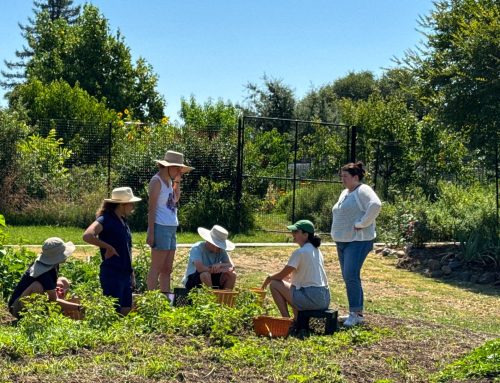
Our 13-acre campus provides a rich, hands-on learning environment where students don’t just talk about life skills; they live them. The Meristem Method is woven into every aspect of our Day and Residential programs, addressing the five core domains of development in an integrated way. We see the five domains of transition not as separate silos, but as interconnected parts of a whole person.
- Education and Employment are fostered in our vocational workshops, like our professional woodshop and culinary arts program, and through our student-run social enterprises, such as the Meristem Café. Here, students gain real-world work experience and develop transferable job skills.
- Independent Living is practiced daily, both in our residential homes and throughout our campus. Students learn to cook, clean, manage their time, and navigate their community with the support of dedicated staff.
- Social and Recreation skills are developed organically through our tight-knit community. From shared meals to campus events, students have constant opportunities to build friendships and practice social communication in a supportive setting.
- Healthcare transition is supported by our staff, who help students learn to manage their own health needs, from scheduling appointments to understanding their medications.
- Self-Advocacy is at the heart of our program. Through our Self-Leadership curriculum and the practice of person-centered planning, students learn to understand their own needs, articulate their goals, and advocate for themselves in all areas of their lives.
We believe that every young adult has a unique potential waiting to be unlocked. Our mission is to provide the key. By combining practical skills training with deep, therapeutic work and a supportive community, we help our students build the confidence and competence to not just survive adulthood, but to thrive in it.
Ready to build a bridge for your young adult’s future?
Voices of Community Podcast
Join us for conversations with autistic adults, families, and professionals who are helping shape a more inclusive world. Each episode shares personal stories, insights, and perspectives from across the Meristem community and beyond.