Here’s what you’ll discover in this article:
- You’ll meet Amy Branum, a clinical herbalist and instructor at Meristem, and learn about her unique approach to teaching herbal arts to neurodiverse young adults.
- We’ll explore the profound, scientifically-backed connection between touching the earth—a practice called grounding—and its calming effect on our nervous system.
- You’ll get a behind-the-scenes look at how students at Meristem transform garden herbs like Calendula and Yarrow into high-quality, handmade products.
We’ll dive into the specific medicinal benefits of powerful herbs and how they support our well-being. - You will learn how hands-on, experiential learning in nature provides unique therapeutic benefits, especially for individuals on the autism spectrum.
- Finally, you’ll find out how you can support this incredible program and experience its magic through the Meristem Herbal Arts gift boxes.
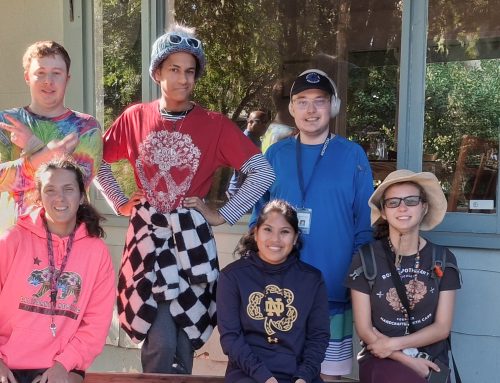
It’s more than just gardening. It’s more than just learning about plants. It’s about connection. A deep, grounding connection to the earth, to ourselves, and to the very essence of what it means to be well. This is the core philosophy of Amy Branum, a clinical herbalist with over 25 years of experience and the passionate Herbal Arts Instructor at Meristem, a transformative program for young adults with autism.
In a world that often feels disconnected and overwhelming, Amy’s work is a powerful reminder that healing can be found right in the soil beneath our feet. It’s a process that goes far beyond simply identifying plants; it’s about understanding them, respecting them, and allowing their ancient wisdom to calm our modern anxieties. As Amy puts it, her passion is sharing this connection with her students, fostering a relationship with the land that nourishes both body and soul.
A Deeper Connection: It’s Not Just a Plant
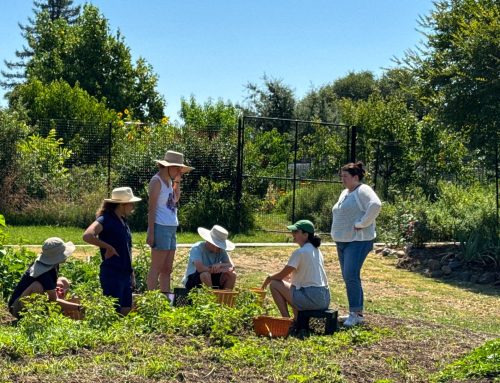
Have you ever truly looked at a flower? Not just a passing glance, but a deep, appreciative observation. At Meristem, this is where the journey begins. Students don’t just learn that a plant is a plant. They learn that each one is a universe unto itself.
“In herbalism, in the world of herbalism, we don’t want to just take the plants for granted,” Amy explains. “We have a connection to them. We have a connection to their beauty and their understanding.”
Armed with hand lenses, students get up close and personal with flowers like Calendula, discovering that what appears to be a single blossom is actually a complex community of hundreds of individual flowers. They learn to see the intricate details—how the leaves grow from the stem, whether the flowers are radially or bilaterally symmetrical. It’s a practice of finding the specific, the unique, the individual. This isn’t just botany. It’s a lesson in mindfulness. It’s about slowing down, paying attention, and seeing the world with a newfound sense of wonder. This intimate observation builds a foundation of respect and joy that carries through the entire process. When you harvest a plant you know so intimately, that joy becomes an ingredient, infusing the final product with a palpable energy.
The Science of Grounding: How the Earth Calms Us
Amy shares a powerful story about her students harvesting roots. She teaches them not to just yank the root from the ground, but to gently guide their hands down through the soil, following its path. The transformation she witnesses is profound.
“You could visually see their whole body relax,” she recalls. “You could see them… it’s physical grounding in the soil… their shoulders and everything would drop as they went and followed this route down into the soil.”
This isn’t just a feeling; it’s a scientifically recognized phenomenon. The practice of “grounding” or “earthing”—making direct physical contact with the earth’s surface—has been the subject of extensive research. Our bodies, like the earth itself, operate on a direct current (DC) of energy. When we touch the earth, we plug into its global electrical circuit, and as a result, our bodies enter a healing state. A comprehensive review published by the National Institutes of Health (NIH) confirms that over 25 years of medical research shows grounding can decrease cortisol (the stress hormone), reduce inflammation, deepen sleep, and create an immediate shift in brain wave patterns associated with reduced stress. What Amy observes in the garden is a real-time demonstration of our physiological response to connecting with the earth. It’s a simple, yet profound, reminder that our bodies are designed to be in relationship with the natural world.
From Garden to Gift Box: The Meristem Process
The journey at Meristem continues long after the harvest. The herbs, vibrant and full of life, are brought indoors to be processed. Plants like Calendula and Yarrow are carefully hung on drying racks, preserving their color, aroma, and medicinal properties. The quality is simply unmatched.
“You cannot get this quality of herbs from any herb supplier,” Amy states with confidence. “Even the best herb suppliers, it does not look like this. Any herbalist would be so happy to get herbs of this quality.” This commitment to quality is central to the program. Students learn firsthand about the vibrancy and vitality of fresh, well-prepared medicine. This knowledge deepens their connection to the products they create, whether it’s a soothing salve, a fragrant tea, or a natural deodorant. When a student makes a deodorant from yarrow they personally harvested, it’s no longer just a product from a store shelf. It has a story. It has a meaning. It holds the energy of the garden, the sun, the soil, and their own joyful labor.
The Power of the Plants: Calendula and Yarrow
The herbs grown at Meristem are chosen for their beauty, resilience, and powerful medicinal properties. Two of the students’ favorites are Calendula and Yarrow. These aren’t just pretty flowers; they are botanical powerhouses that have been used in traditional medicine for centuries and are now backed by modern science.
| Herb | Key Medicinal Properties | Traditional Uses |
|---|---|---|
| Calendula | Anti-inflammatory, Antimicrobial, Antioxidant. Promotes wound healing by increasing blood flow and oxygen to the affected area, aiding skin repair. | Used topically for cuts, scrapes, burns, insect bites, and a variety of skin conditions. |
| Yarrow | Astringent, Anti-inflammatory, Hemostatic (stops bleeding). Known as a “styptic,” it helps to stop bleeding and is effective in wound healing. | Traditionally used to treat wounds, reduce inflammation, and aid digestion. |
This knowledge empowers students, transforming their understanding of the natural world. They are not just making products; they are crafting medicine, participating in an ancient tradition of healing.
Experiential Learning and Neurodiversity
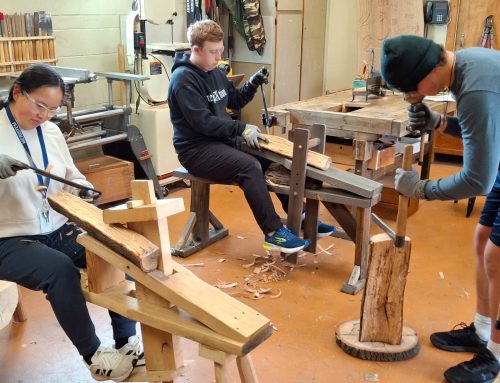
Meristem’s Herbal Arts program is a perfect example of experiential learning in action. Students learn by doing, engaging all their senses in a process that is both educational and deeply therapeutic. This hands-on approach is particularly beneficial for neurodivergent individuals, including those on the autism spectrum.
Research into horticultural therapy has shown significant benefits for people with autism, including improvements in social skills, communication, and independence, as well as a reduction in stress and anxiety. The garden provides a structured, calming environment where sensory input can be regulated. The repetitive, rhythmic tasks of planting, weeding, and harvesting can be soothing, while the joy of watching something grow fosters a sense of purpose and accomplishment. It’s a space where students can use what might have been taught as a barrier and turn it into a beautiful, creative outlet.
Handmade with Heart: The Meristem Herbal Arts Gift Box
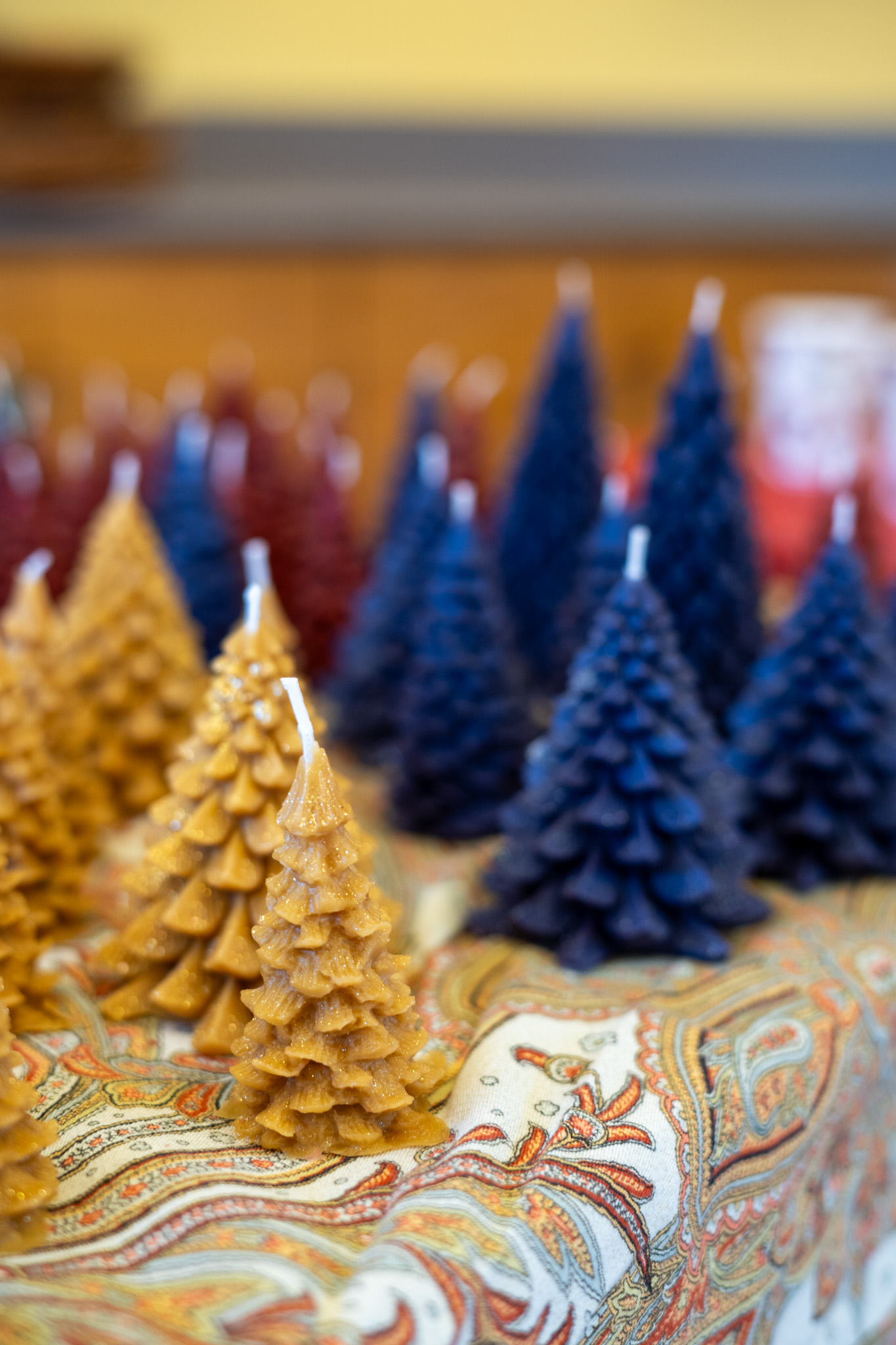
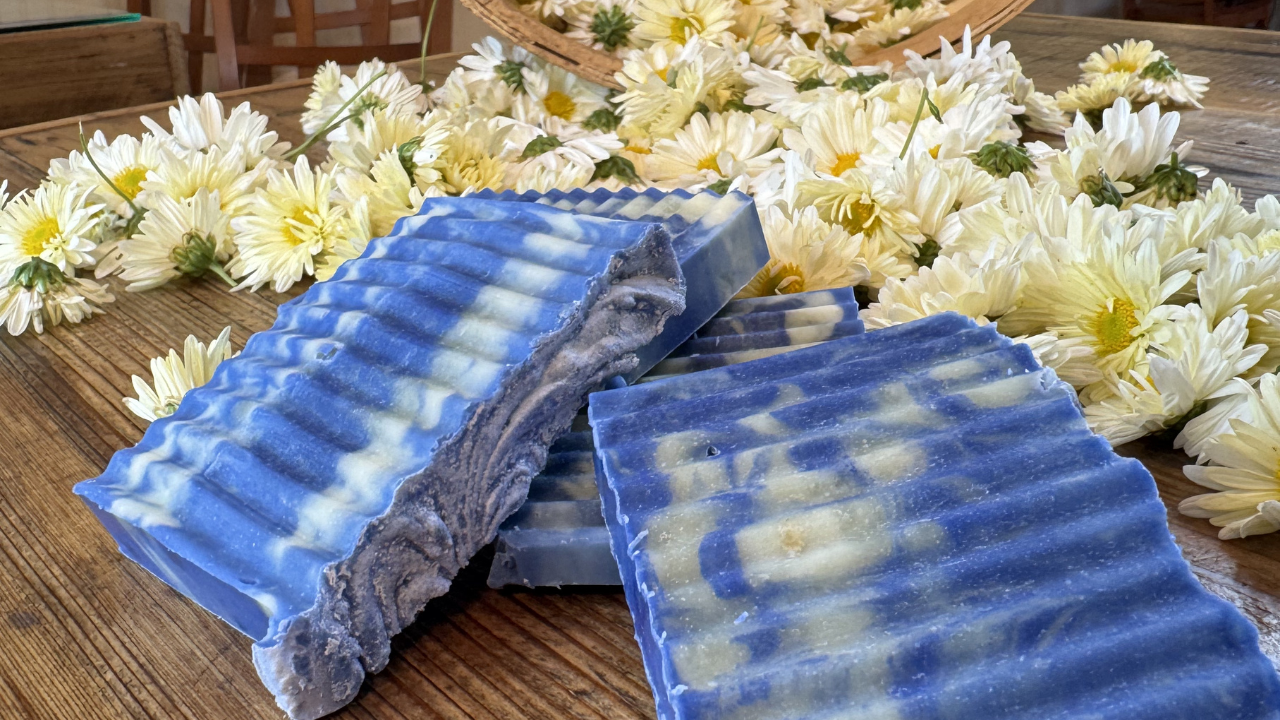
The culmination of all this hard work, joy, and connection is the Meristem Herbal Arts Gift Box. This is more than just a product; it’s an invitation to experience the magic of Meristem for yourself. Available as a seasonal subscription or a one-time purchase, each box is a curated collection of handmade items created by the students.
Inside, you might find a fragrant loose-leaf tea blend, a healing salve, a bar of seasonal soap, a protective lip balm, or a unique culinary creation like an herbal-infused salt. Each box, valued at over $100, is a direct reflection of the students’ learning and dedication. Purchasing a gift box is a powerful act of support. It provides students with real-world business experience—from product development and marketing to packaging and sales—while celebrating their unique talents. It’s a way to bring the healing power of the Meristem garden into your own home, or to share it with someone you love.
A Path to Healing
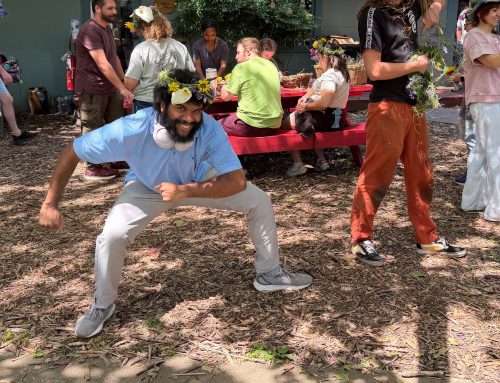
The work being done at Meristem is a testament to the idea that true healing is holistic. It involves the body, the mind, and the spirit. It’s about finding our place in the world and connecting with something larger than ourselves. Through the simple act of working with plants, students at Meristem are not only learning valuable job skills; they are discovering a deeper connection to the earth, to their community, and to their own innate potential. They are learning that, like the plants they tend, they too can grow, blossom, and heal.
Voices of Community Podcast
Join us for conversations with autistic adults, families, and professionals who are helping shape a more inclusive world. Each episode shares personal stories, insights, and perspectives from across the Meristem community and beyond.